Premium segment · Concierge service

Villas in Spain

Luxury residences on the Mediterranean – with sea views, private pools and the space that no apartment can offer.

We work selectively. Shortlisting, legal verification and concierge-level support – from first brief to key handover.
Featured villas

Handpicked residences from our premium portfolio

Concierge service

Looking for a specific villa? Let's talk.

We will prepare a shortlist matched to your priorities – privacy, views, location, architecture and strategy. No noise, no pressure.

Speak to an advisor

Luxury Villas in Spain – for buyers who choose quality, privacy and a Mediterranean way of life

Some decisions are not impulse-driven. They grow from a need for calm, space and the feeling that home can be more than an address. Villas in Spain are the choice for those who want to live in light – where mornings begin on the terrace and days flow naturally between the sea, the garden and time well spent.

In the premium segment, discretion matters. Gated communities, private driveways, architecture that speaks quietly about the owner's taste. Buying a luxury villa in Spain means having your own sanctuary: no crowds, no compromises, with perfectly considered function and detail.

It is also conscious wealth management. Well-located villas in Spain function as an asset: resilient to seasonal market sentiment, attractive to premium tenants, desired in the best micro-locations. The key is selection – not volume.

Types of villas in Spain that discerning buyers choose

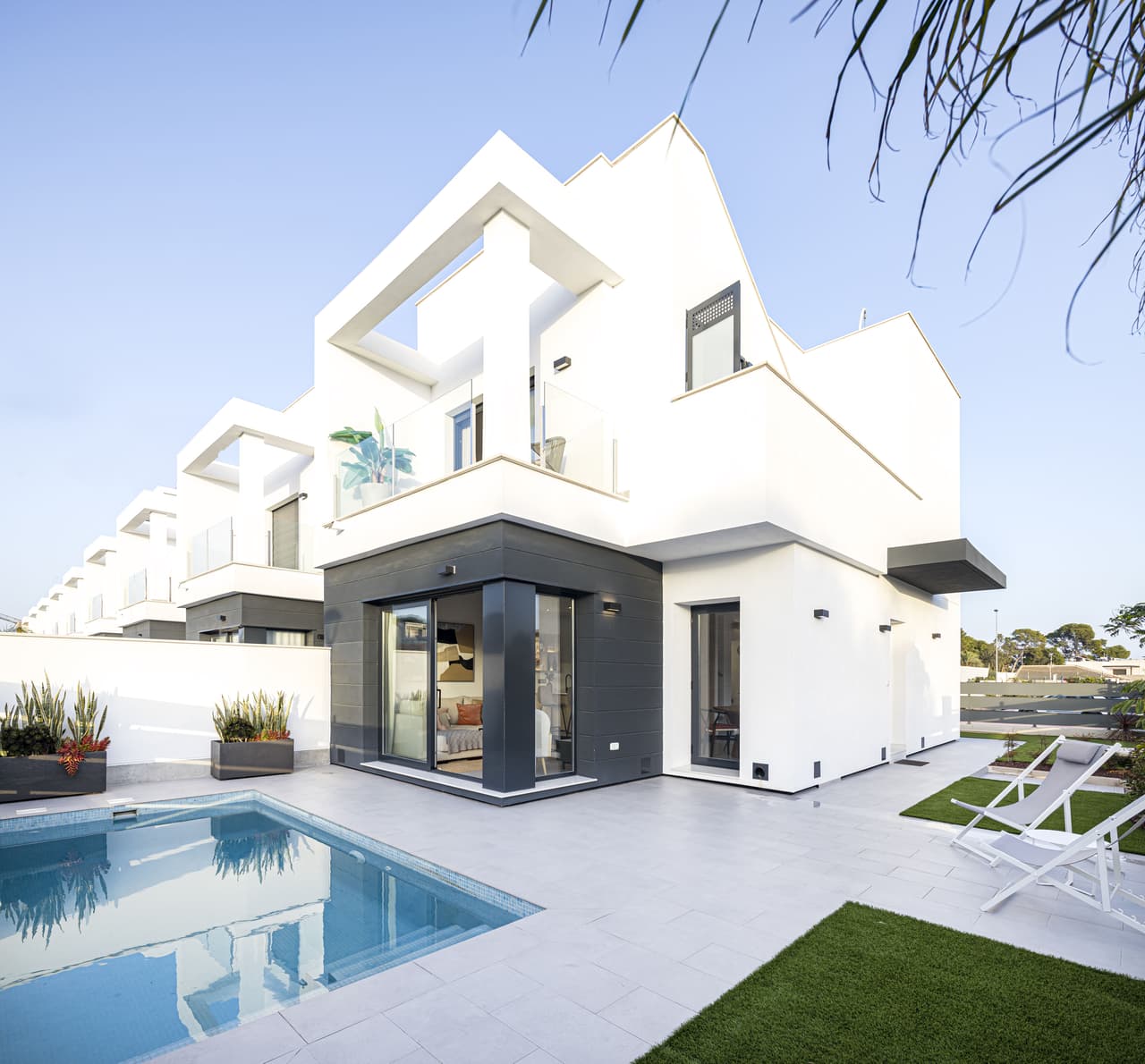
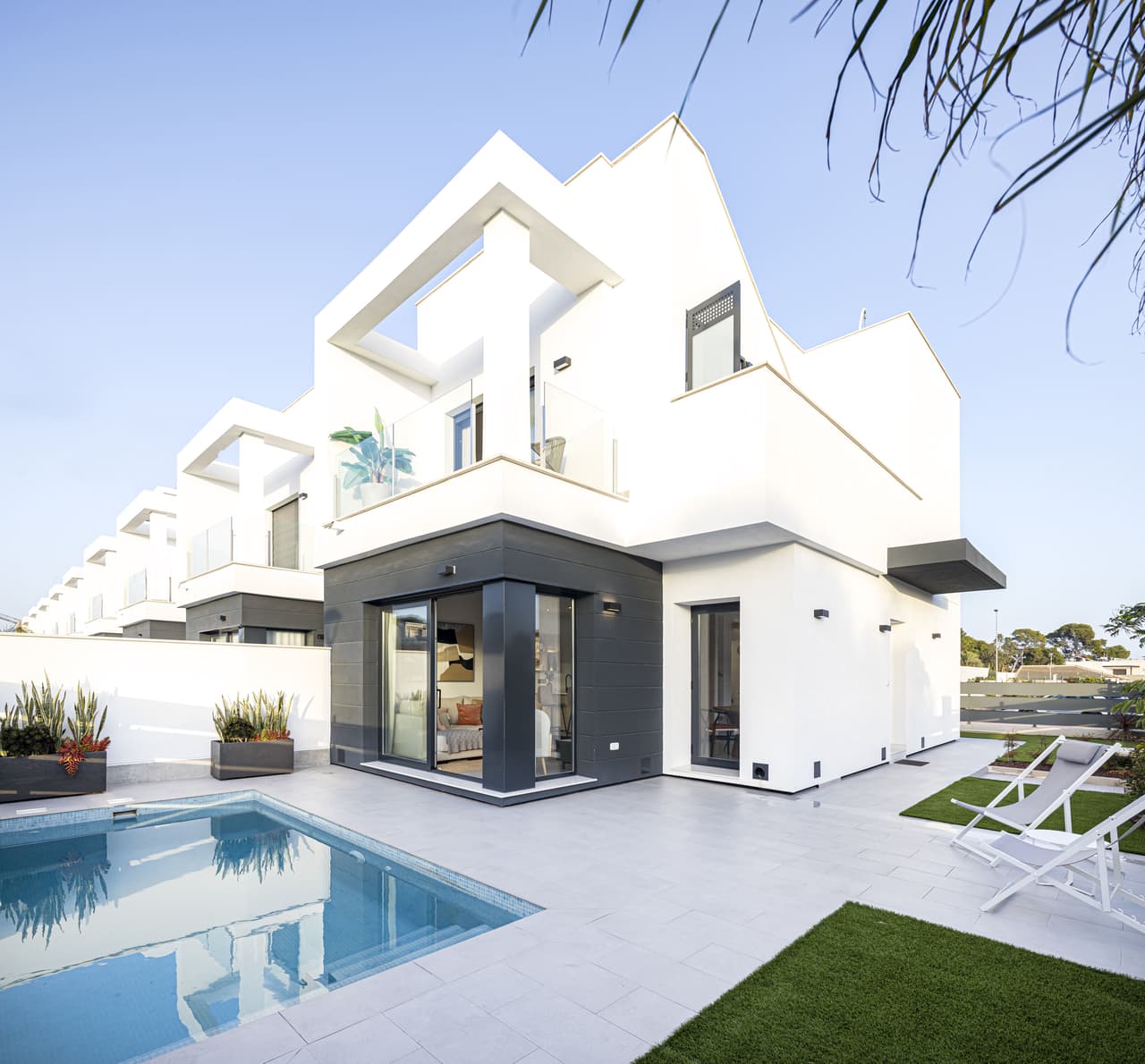
Modern villas

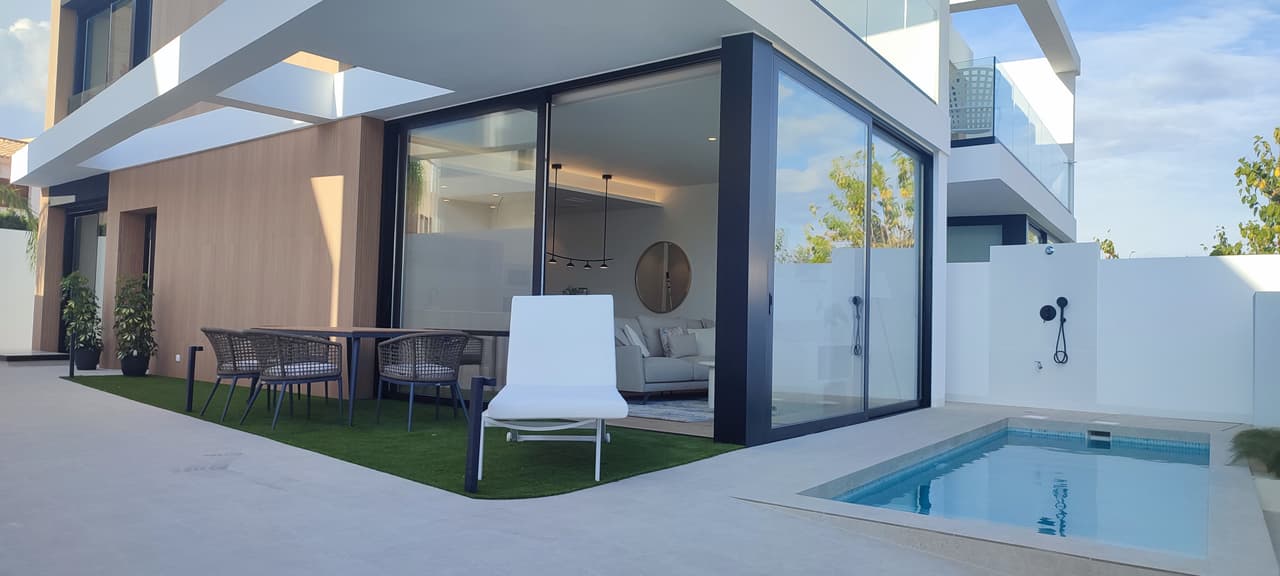
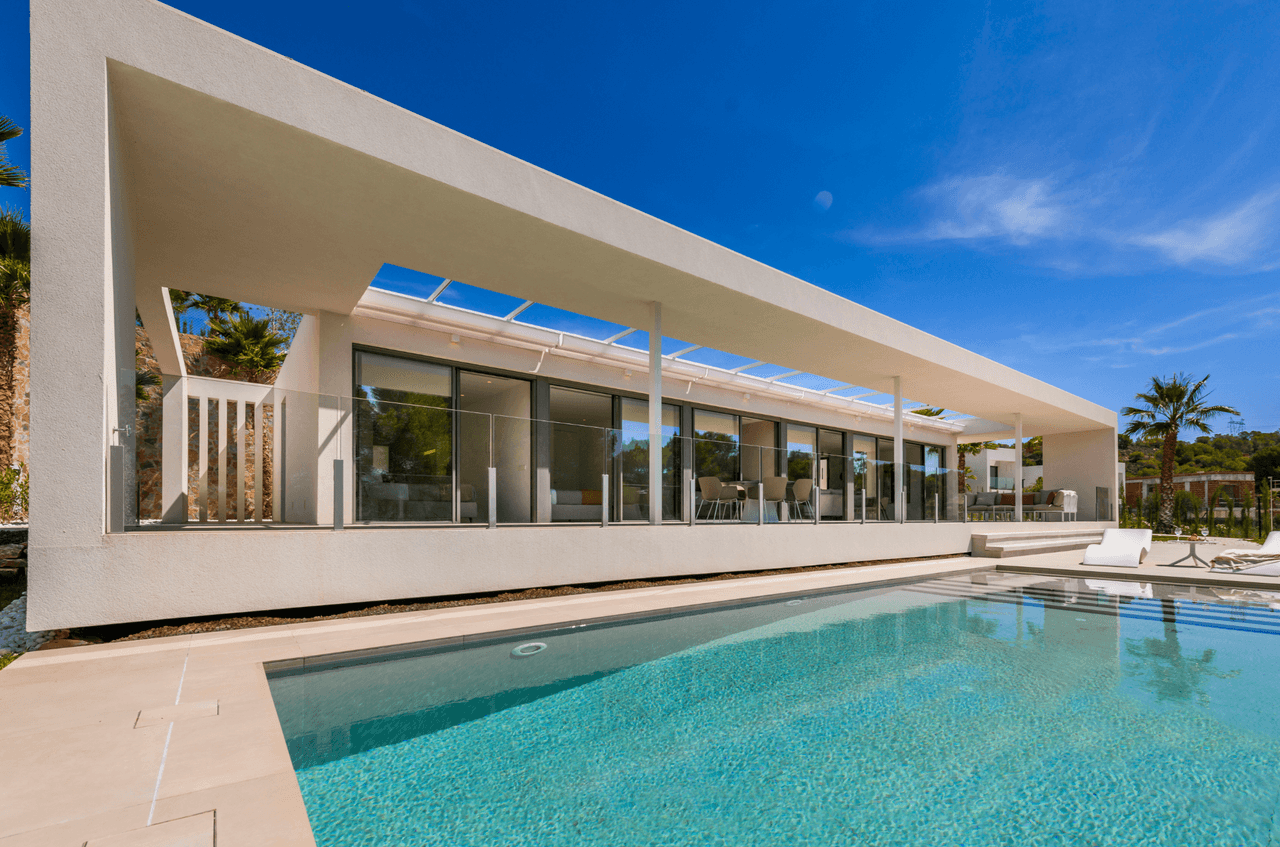
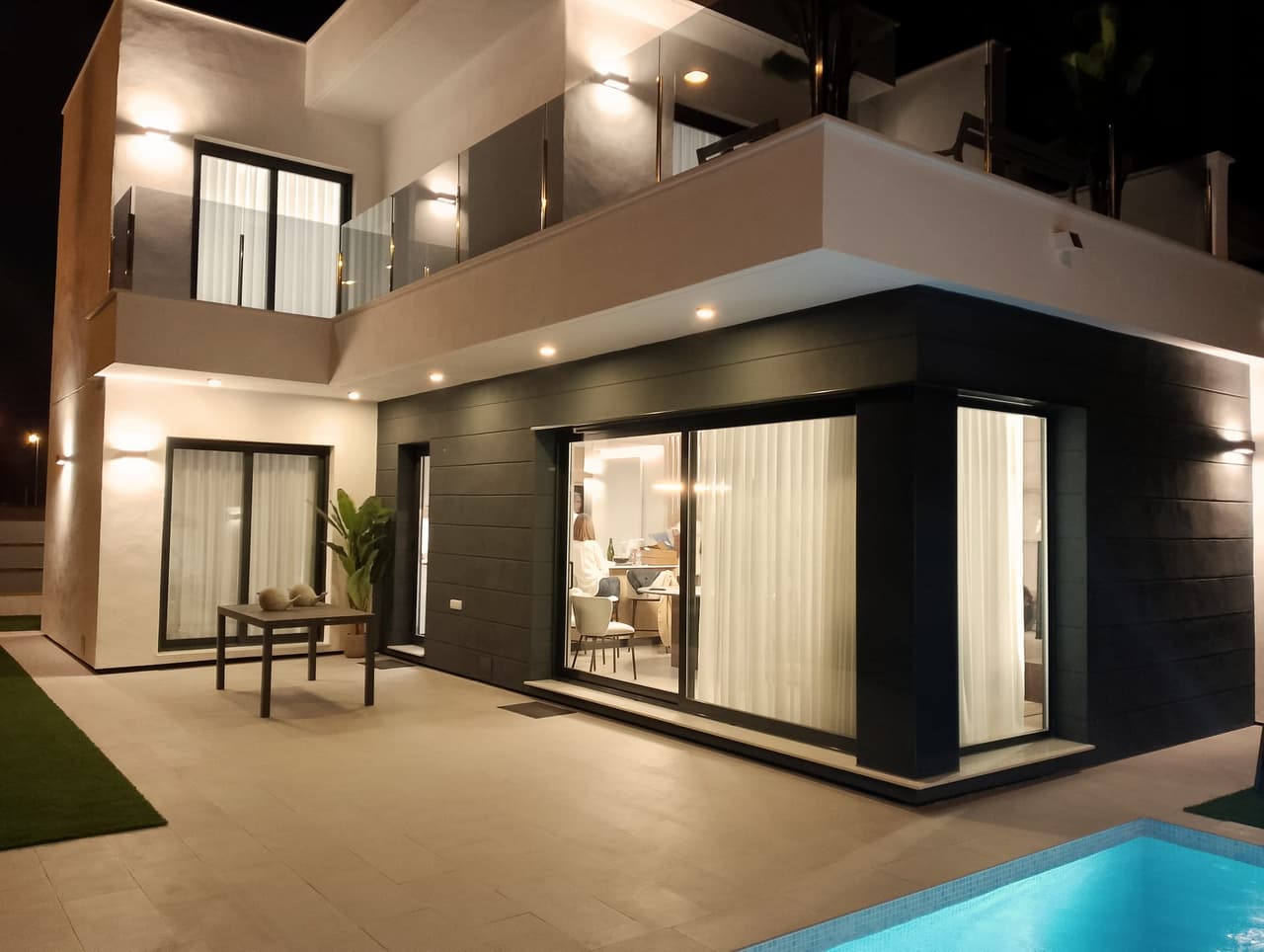
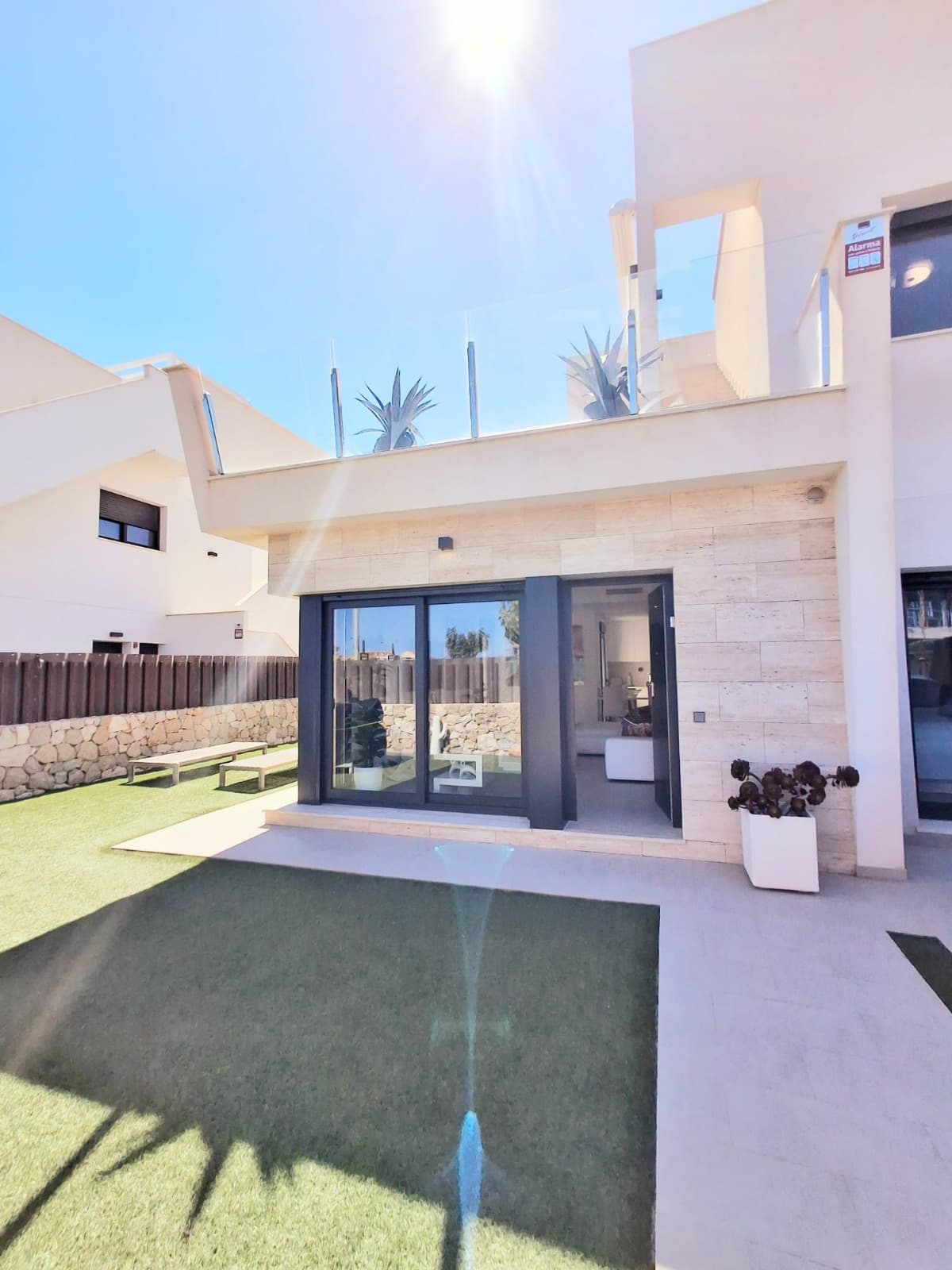
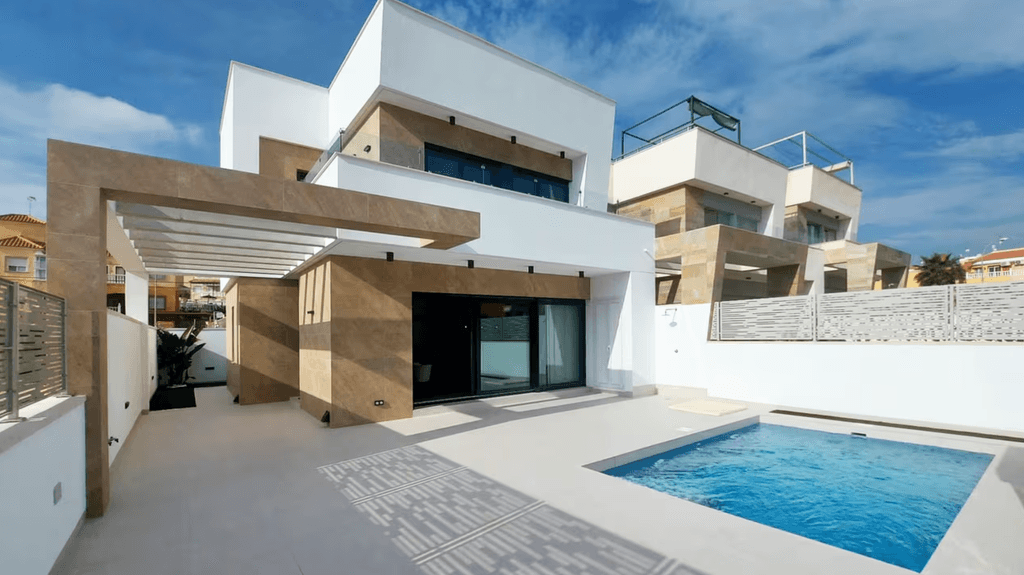
Who for: buyers who value minimalist architecture, smart home systems, floor-to-ceiling glazing and indoor–outdoor living where the lounge flows naturally onto the terrace and pool.

Investment angle: high demand for the turn-key segment, and a clear advantage in premium short-term rental where design, specification and photography drive bookings.

Beachfront villas

Who for: buyers who want to reach the sand in minutes and treat proximity to water as an everyday value, not a holiday bonus.

Investment angle: frontline properties have constrained supply, supporting long-term value. In the luxury segment they tend to hold price even in more demanding cycles.

Sea-view villas

Who for: buyers seeking emotion and aesthetics – the view is not an extra, it is part of the home's identity.

Investment angle: “sea view” is one of the strongest price-forming factors. It acts as a market premium in both resale and premium rental.

Golf villas

Who for: buyers who value sport, security and a well-managed environment with an international neighbourhood.

Investment angle: the golf segment sustains stable demand among European and international tenants. High community standards support value retention.

Luxury and ultra-premium villas

Who for: buyers who expect more than a “large house”. What counts is brand location, discretion, build quality, private security and readiness to live immediately – no renovation, no compromise.

Investment angle: in top enclaves, luxury operates as a separate asset class – lower competition, stronger demand resilience and a selective, quality-driven secondary market. See: villas in Marbella.
Villa prices in Spain – realistic premium-segment ranges

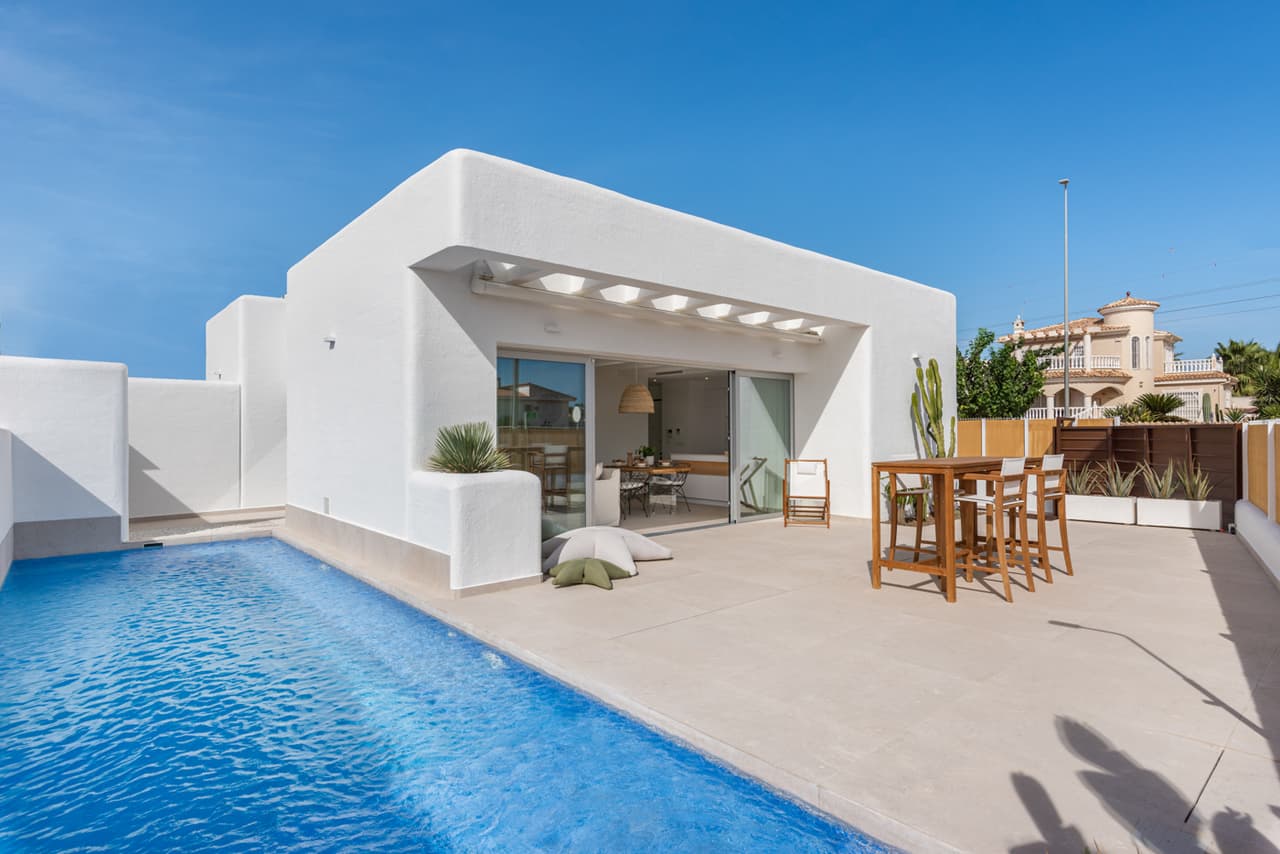
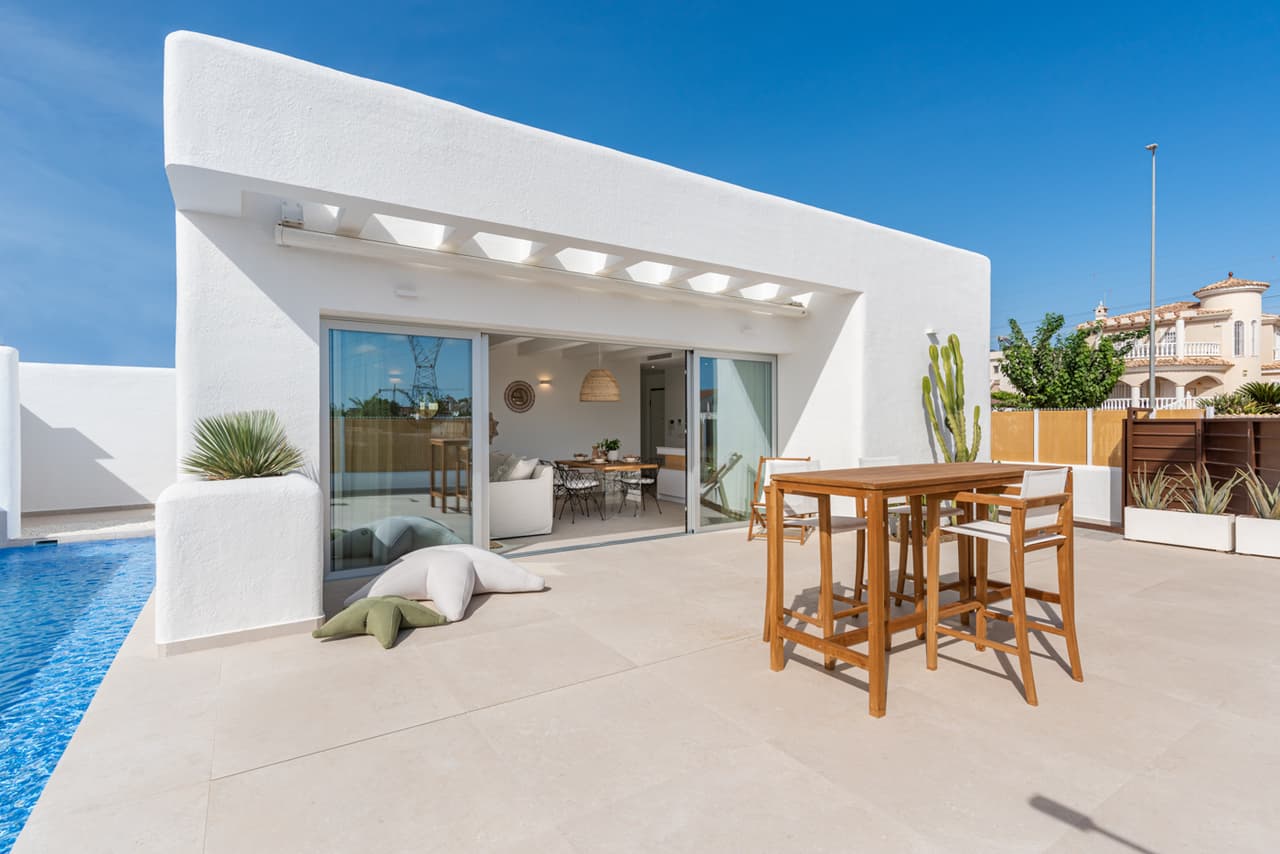
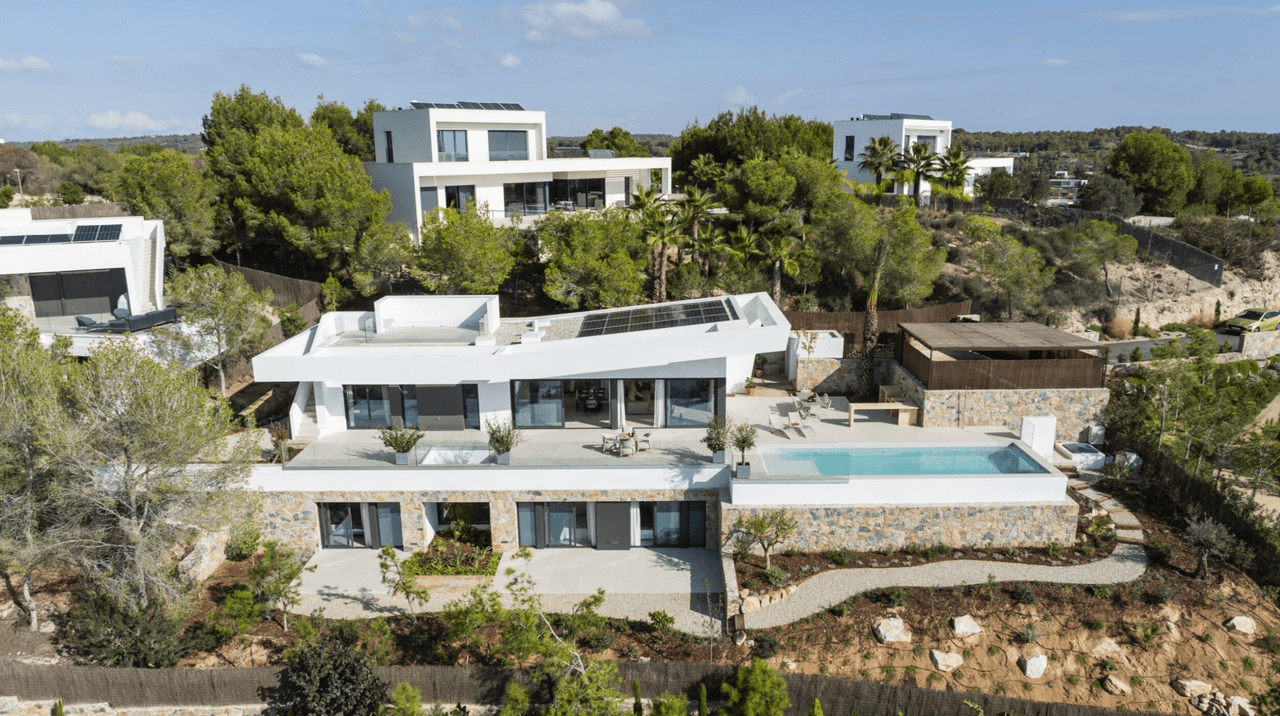
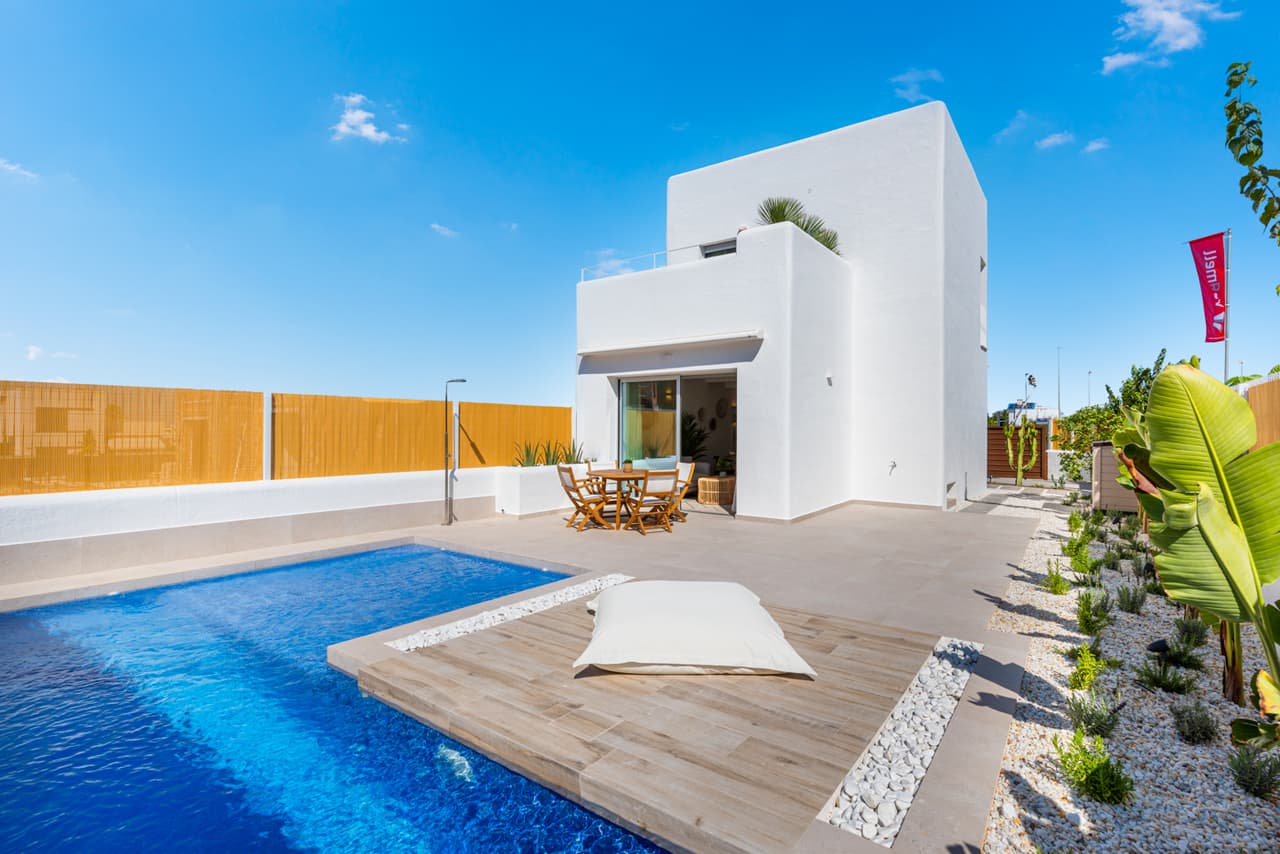
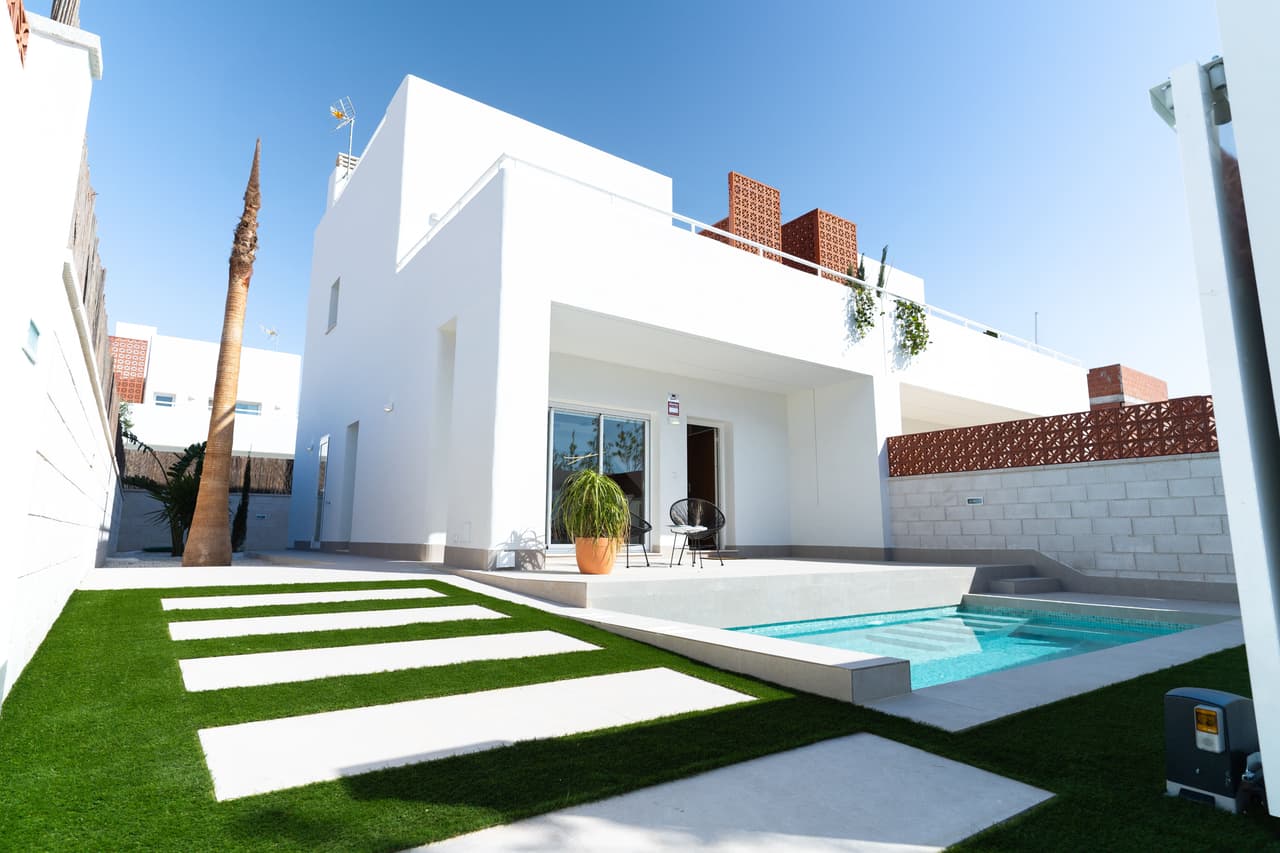
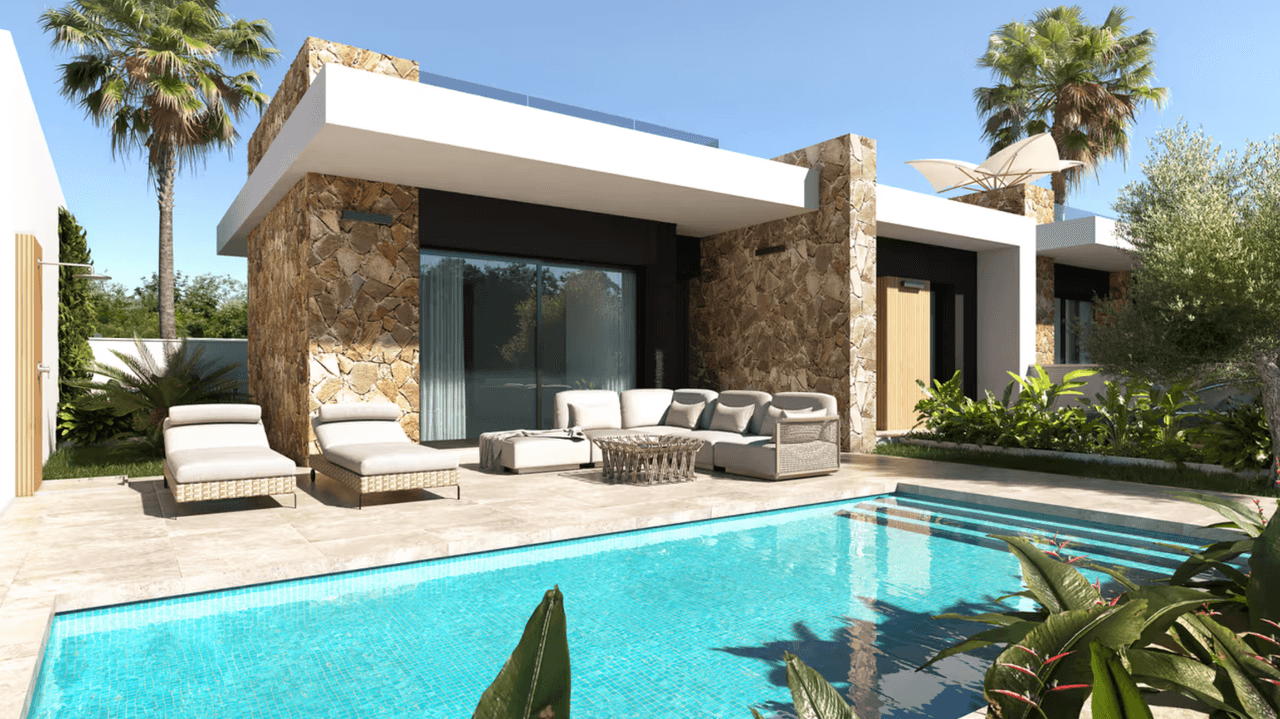
Villa with private pool and solarium in Quesada, Costa Blanca
  • From approx. €400,000 – smaller footprint or less prestigious micro-location. The entry point for premium villas.
  • €800,000 – several million € – premium segment in the best coastal zones: views, private pools, new architecture, infrastructure.
  • Above several million € – ultra-luxury in the most recognised addresses: Marbella, Puerto Banús, La Zagaleta.

Regional differences are real. Costa Blanca villas offer excellent value relative to specification, views and size. Costa del Sol villas carry a higher entry price but reward prestige and international demand.

Best locations for villas in Spain

Costa Blanca – modern value and rational ROI

Costa Blanca is one of the clearest choices for buyers balancing lifestyle with purchase logic. The region is valued for modern developments, good connectivity and year-round infrastructure. Explore: Costa Blanca North and Costa Blanca South.

Costa del Sol – luxury, prestige and international liquidity

Costa del Sol is a brand in itself: marinas, golf, restaurants and international community. In the premium segment it is one of Europe's strongest destinations. See: Costa del Sol. Compare also: houses in Spain.

Marbella – ultra-luxury and the address that works for value

Marbella is a symbol of European luxury. Gated urbanisations, privacy, and exceptional micro-locations known to investors worldwide. Explore: Marbella. Compare: Alicante or Torrevieja.

Why buy a villa in Spain

A villa gives something that cannot be added to an apartment: space, intimacy and control over the rhythm of the day. In the premium segment, status matters too – not as ostentation, but as the certainty that you are choosing a standard that matches how you want to live, today and in years to come.

Then there is long-term value. The best coastal addresses are finite – you cannot add a frontline plot or replace a sea view. A well-chosen property in Spain can become an asset that grows in significance as demand for quality and privacy increases.

Investment potential in the luxury segment

  • Luxury short-term rental – guests pay for experience: privacy, quiet, quality interiors and hotel-level comfort in their own space.
  • Medium-term rental – for buyers relocating to Spain or working remotely. They expect a functional, well-connected home with frictionless management.
  • Capital appreciation – scarce assets: unique views, frontline plots, prestigious addresses, exceptional architecture. Constrained supply, durable demand.

The buying process – concierge standard

  • Brief – we discuss your priorities: privacy, view, beach distance, architecture, investment plan and budget.
  • Shortlist – instead of hundreds of listings, a curated selection matched to your criteria.
  • Verification – legal status, documents, planning compliance, location quality.
  • Completion – notarial deed, taxes, property registration.
  • Post-purchase – insurance, utilities, property management, rental management if required.

Purchase costs and ownership

Beyond the purchase price, budget for transaction costs (10–14% of property value) and running costs: IBI property tax, insurance, community fees, pool and garden maintenance, and technical systems. In the luxury segment, keeping the villa permanently ready to arrive is standard practice.

What to watch out for when buying a luxury villa

  • Legality and documentation – ownership status, charges, floor-area compliance, permitted use.
  • Micro-location quality – coherence of surroundings, privacy, noise exposure, beach access.
  • Developer credibility – for new builds: specification, delivery schedule, warranties, completed project portfolio.

Also explore: apartments in Spain, penthouses in Spain, flats in Spain, seaside properties in Spain.

FAQ

Questions from premium villa buyers

Answers to 12 key questions in the luxury segment – from costs to the buying process.

Can a foreigner buy a villa in Spain?+
Yes – EU citizens and non-EU nationals can freely buy property in Spain. The only essential formality is a NIE number (Número de Identidad de Extranjero), required to sign the notarial deed and open a Spanish bank account. Horizon Properties assists with NIE registration throughout the buying process.
How much does a villa in Spain cost in 2026?+
The villa market is highly varied. On Costa Blanca, luxury villas start from around €400,000. On Costa del Sol and in Marbella, prices typically range from €800,000 to several million euros. The INE House Price Index recorded +12.9% year-on-year in Q4 2025, and Tinsa reported +10.4% y/y. The best sea-view micro-locations continue to appreciate.
What taxes apply when buying a villa in Spain?+
For new-build villas: VAT (IVA, 10%) plus Stamp Duty (AJD, 1.2–1.5%). For resale properties: Transfer Tax (ITP) – 7% in Andalusia, or 9% in the Valencia region from 1 June 2026. Total transaction costs typically run 10–14% of the purchase price.
What is the difference between a villa and a house in Spain?+
The distinction is primarily marketing and price-driven. A "villa" typically denotes a prestigious detached residence with a large private plot, pool and premium finishes – often in an exclusive location with sea views. "House" is a broader category that also includes semi-detached and terraced properties. In practice, price and appeal are determined by micro-location and specification.
Is buying a villa in Spain a good investment?+
With the right micro-location and specification, yes. A villa with a pool on Costa Blanca can generate €1,200–3,500 per week during peak season. The premium segment in top coastal zones is considered more resilient to market fluctuations. Tinsa reported property value growth of +10.4% y/y.
What is the step-by-step process for buying a villa in Spain?+
1) Obtain your NIE number, 2) open a Spanish bank account, 3) verify the legal status via nota simple from the Land Registry, 4) sign the reservation contract with a deposit (€3,000–10,000), 5) sign the private purchase contract (arras) and pay 10% of the price, 6) complete at the notary (escritura pública), 7) pay taxes and register the property. The full process typically takes 6–12 weeks.
Can a non-resident get a mortgage for a villa in Spain?+
Yes. Spanish banks offer mortgages to non-residents, typically financing 60–70% of the property value. This means a 30–40% deposit plus transaction costs. Required documents: passport, NIE, proof of income and bank statements. Interest rates for non-residents are generally slightly higher than for residents.
Can I rent out my villa to tourists in Spain?+
In most coastal locations, yes – but a regional tourist rental licence is required. Following Royal Decree 1312/2024, homeowner communities can restrict short-term lets by a 3/5 majority vote. Spain recorded 96.8 million tourist arrivals in 2025, sustaining strong demand for private villa rentals. Always verify licence availability for the specific location before purchasing.
What is a nota simple and why is it essential?+
A nota simple is an official extract from the Land Registry (Registro de la Propiedad) confirming the property's owner, dimensions, any mortgages, charges or encumbrances. It is the most important due diligence document – never sign any contract or pay a deposit without verifying the nota simple first.
How much does it cost to maintain a luxury villa in Spain annually?+
Annual running costs for a premium villa typically range from €6,000 to €15,000 depending on size and specification. This includes: IBI property tax (€400–2,000/year), home insurance (€500–1,200/year), pool and garden maintenance (€1,500–4,000/year), utilities, community fees and full property management. Non-residents also pay IRNR.
Are villa prices in Spain still rising?+
Yes. The INE House Price Index recorded +12.9% growth in Q4 2025 and Tinsa reported +10.4% year-on-year. In Málaga, average prices reached €2,887/m². The best coastal micro-locations have constrained supply and demand for quality and privacy is sustained. The premium segment is considered more resilient to market fluctuations than the mass market.
What are the best locations to buy a villa in Spain?+
Three key destinations: Costa Blanca (excellent value for money, modern architecture, strong international buyer base), Costa del Sol / Marbella (European prestige, international demand, highest luxury tier), and Costa Cálida (quieter alternative with lower entry prices). The right choice depends on your priority: lifestyle, premium rental income or capital appreciation.

Next step

Request matched villa listings

Tell us your priorities. We will prepare a curated shortlist matched to your lifestyle and strategy – without noise and without pressure.