Houses for sale in Spain

Houses in Spain for Sale

Villas, townhouses and detached homes on the Spanish coast. Costa Blanca, Costa del Sol, Costa Cálida – over 160 houses from €180,000. Full purchase support in English.
Featured houses for sale

The latest villas, townhouses and detached houses in our portfolio

Houses in Spain – Your Piece of Mediterranean Paradise

Spain remains the top destination for European property buyers, and houses in Spain are among the most sought-after purchases. With over 300 sunny days per year, world-class beaches, excellent infrastructure and a rich culture, buying a house in Spain is both a lifestyle upgrade and a sound financial investment.

Types of Houses Available in Spain

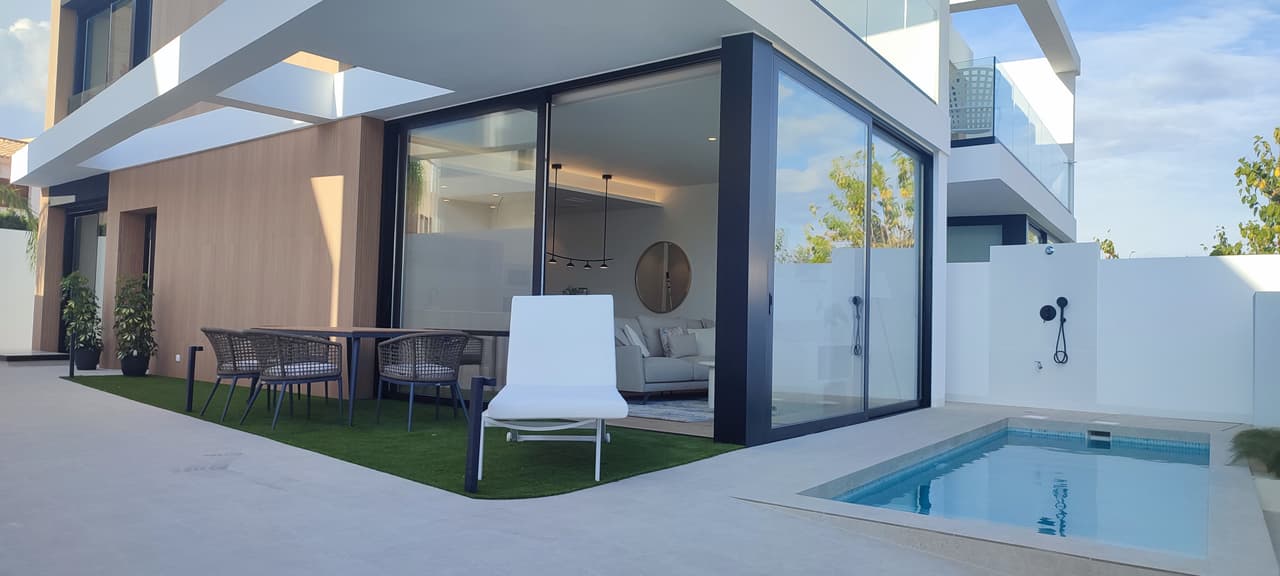
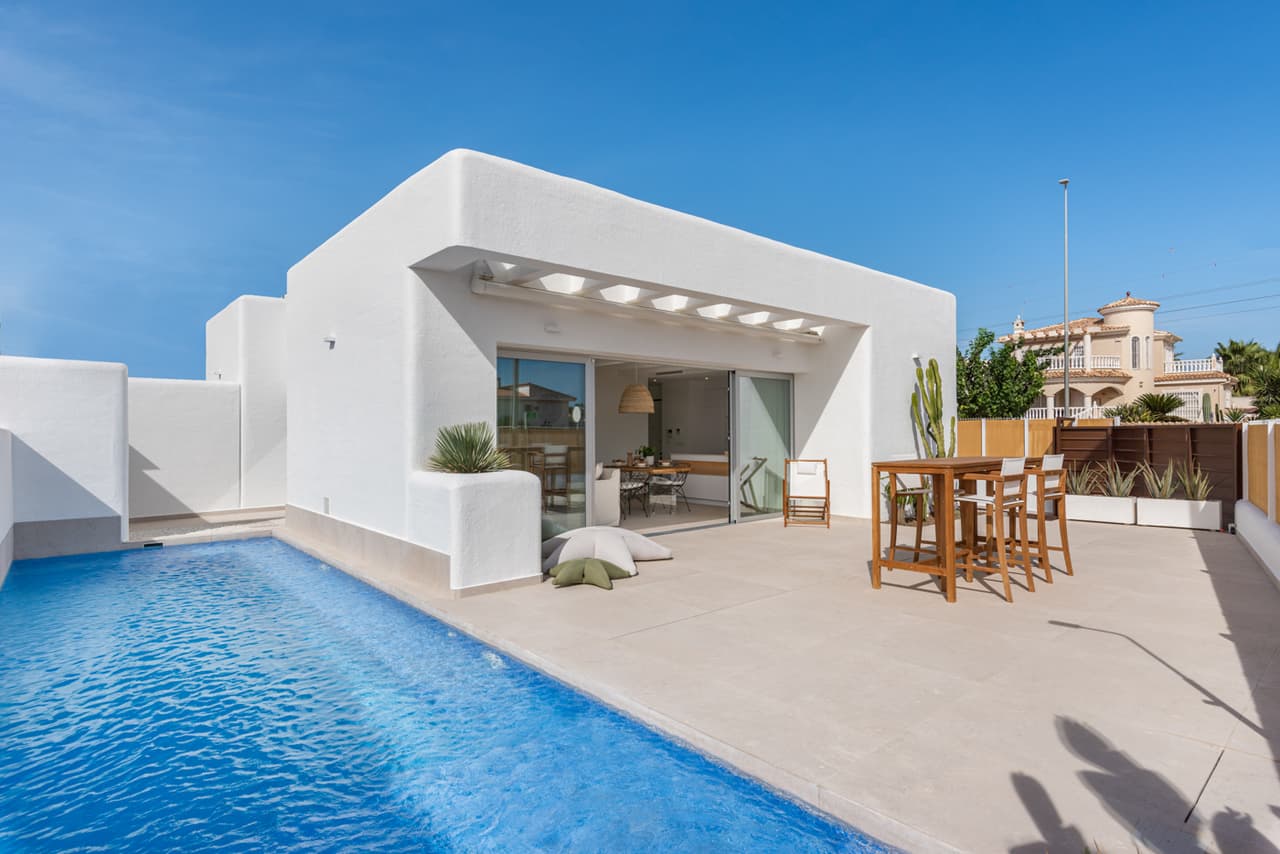
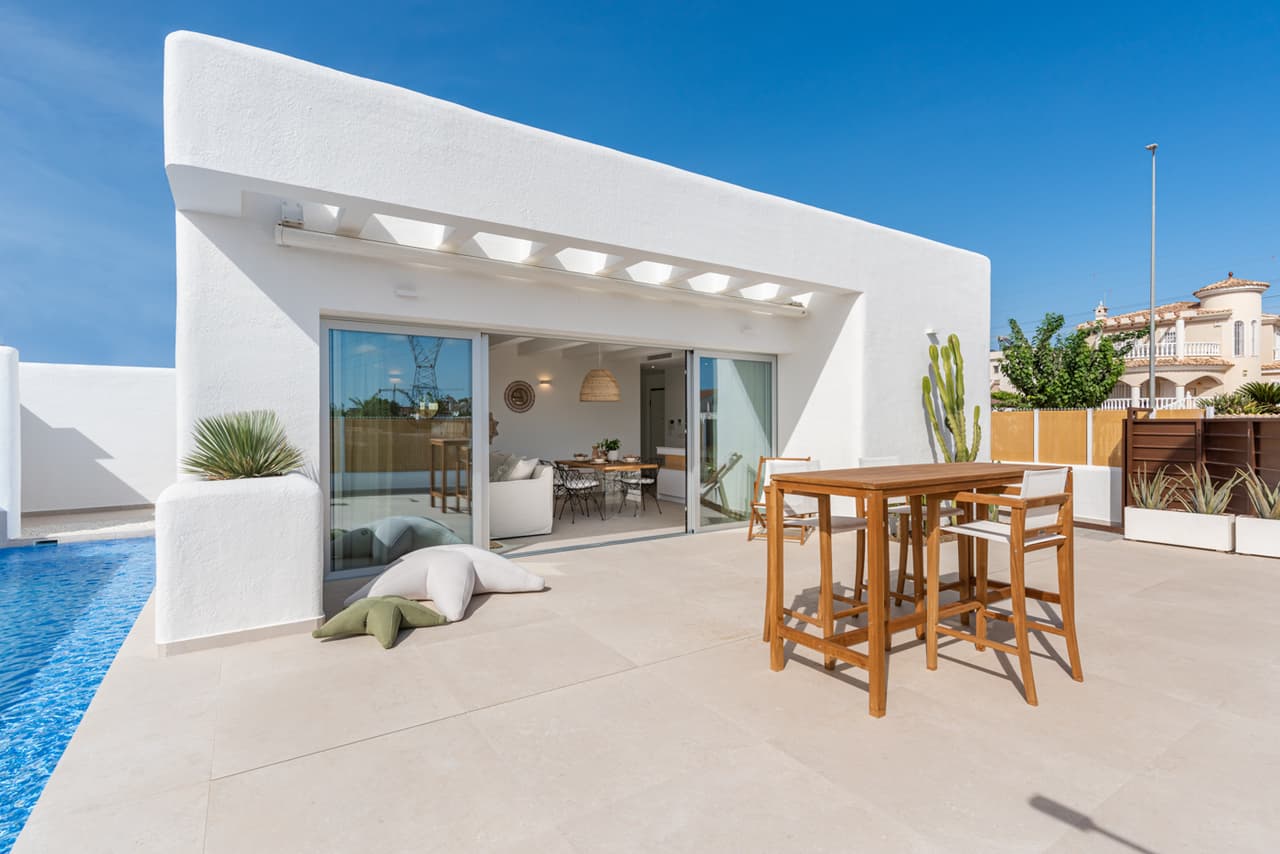
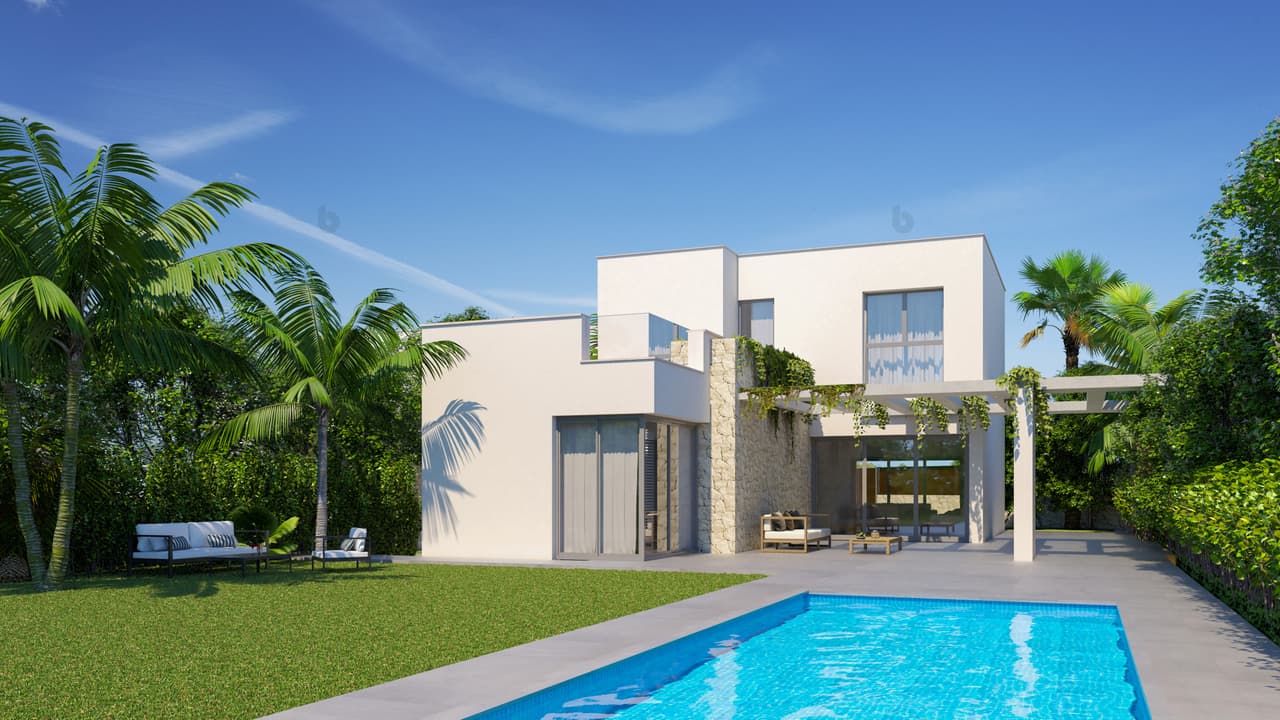
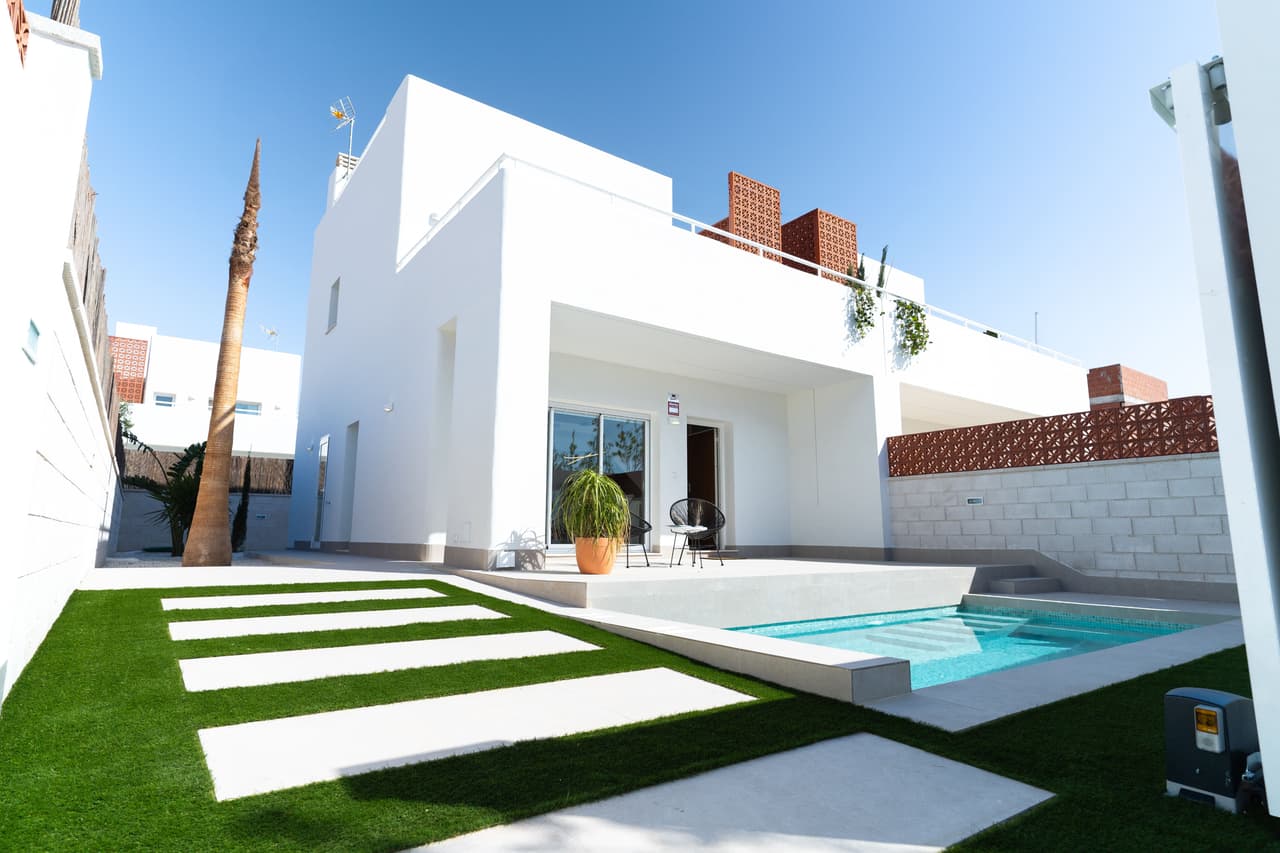
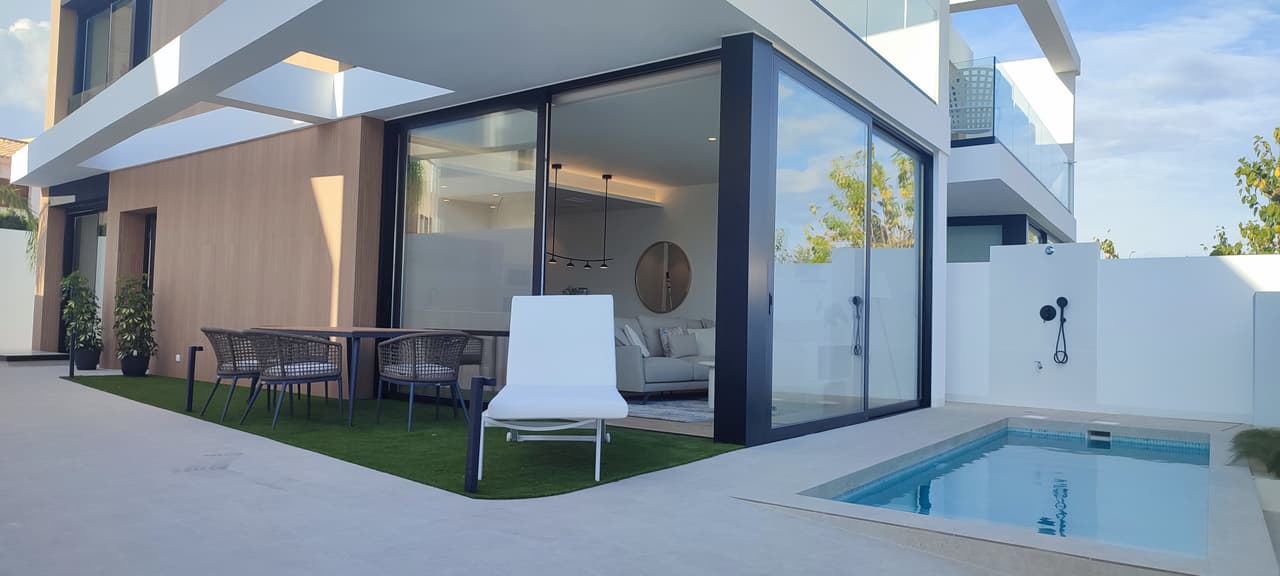
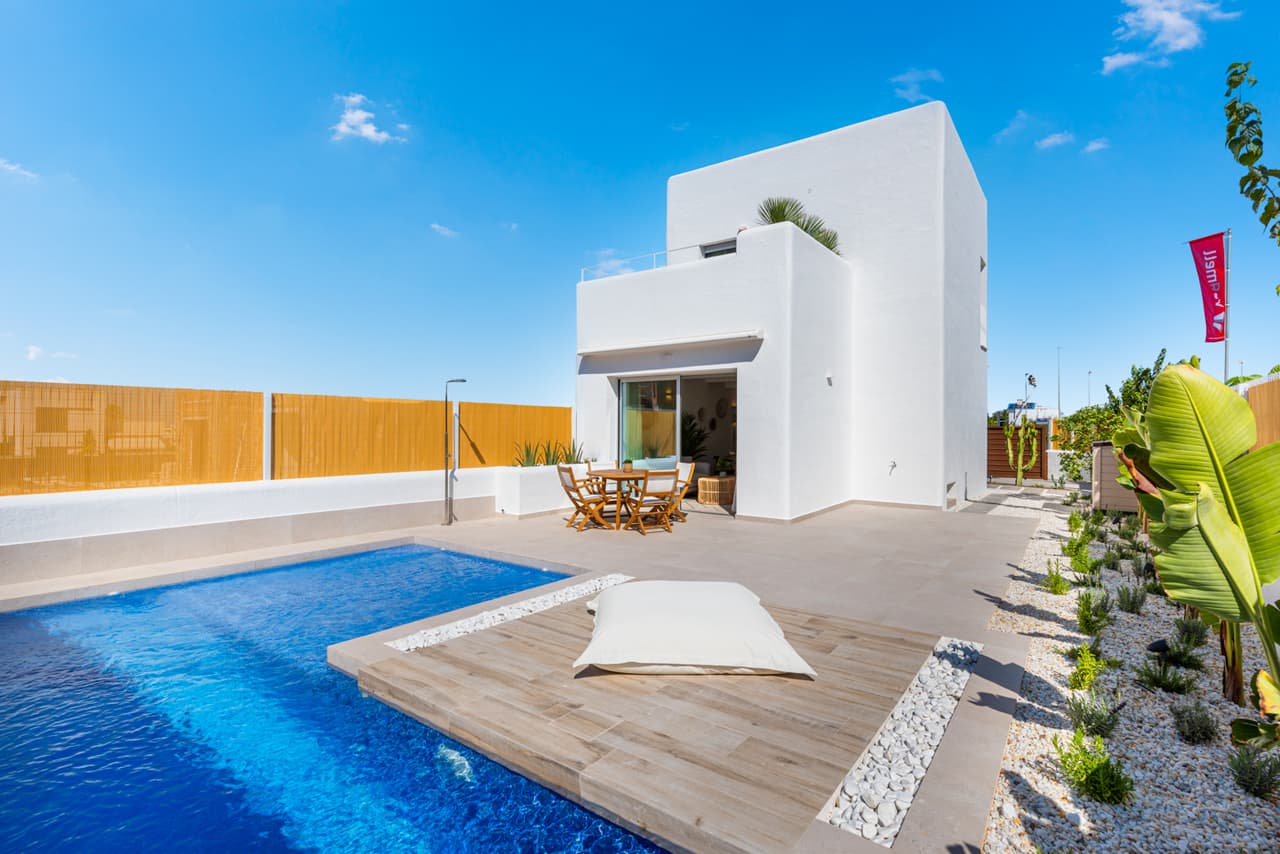
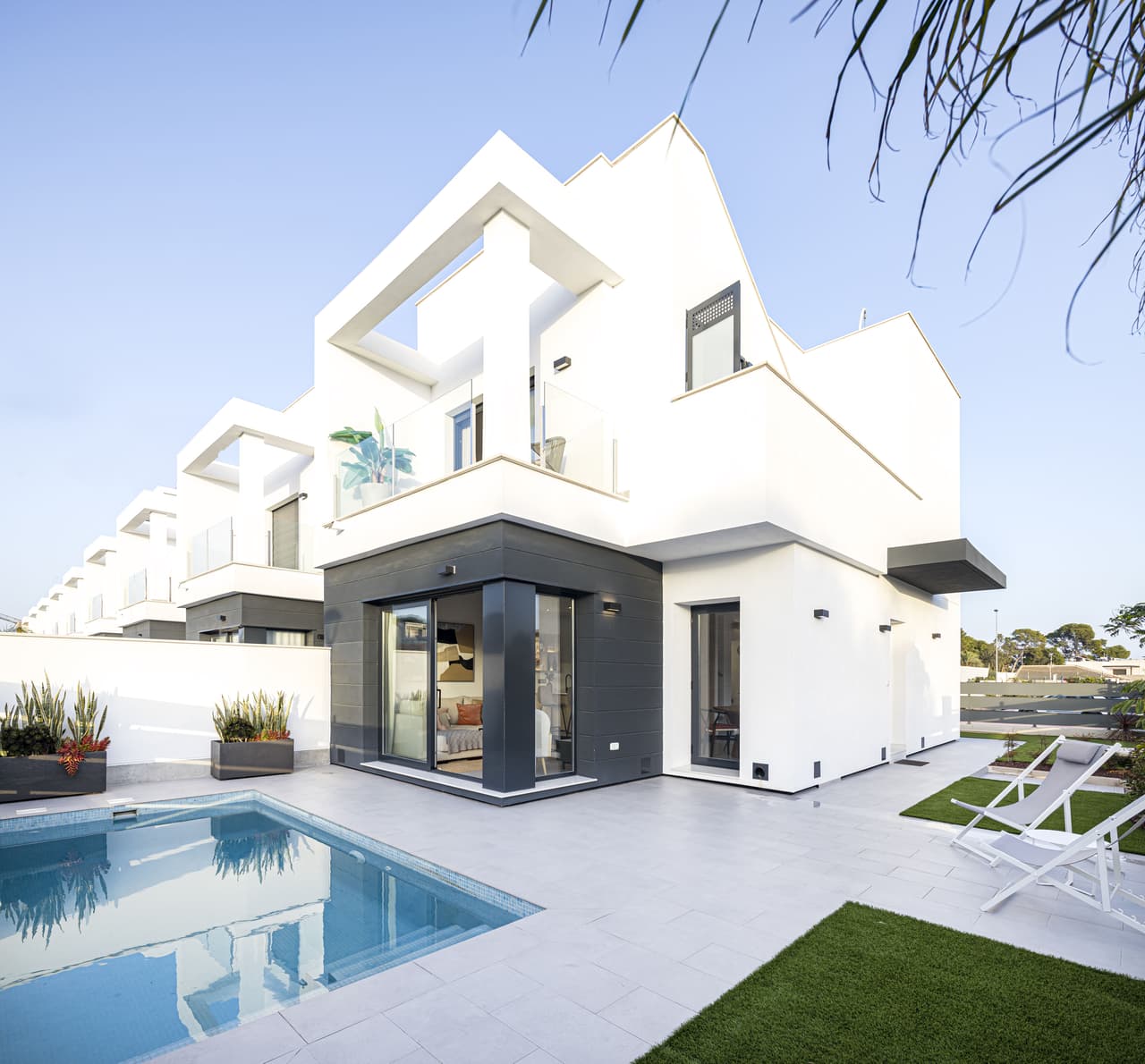
  • Villa (Chalet): Detached house with private garden and pool. The most prestigious option, priced from ~€280,000.
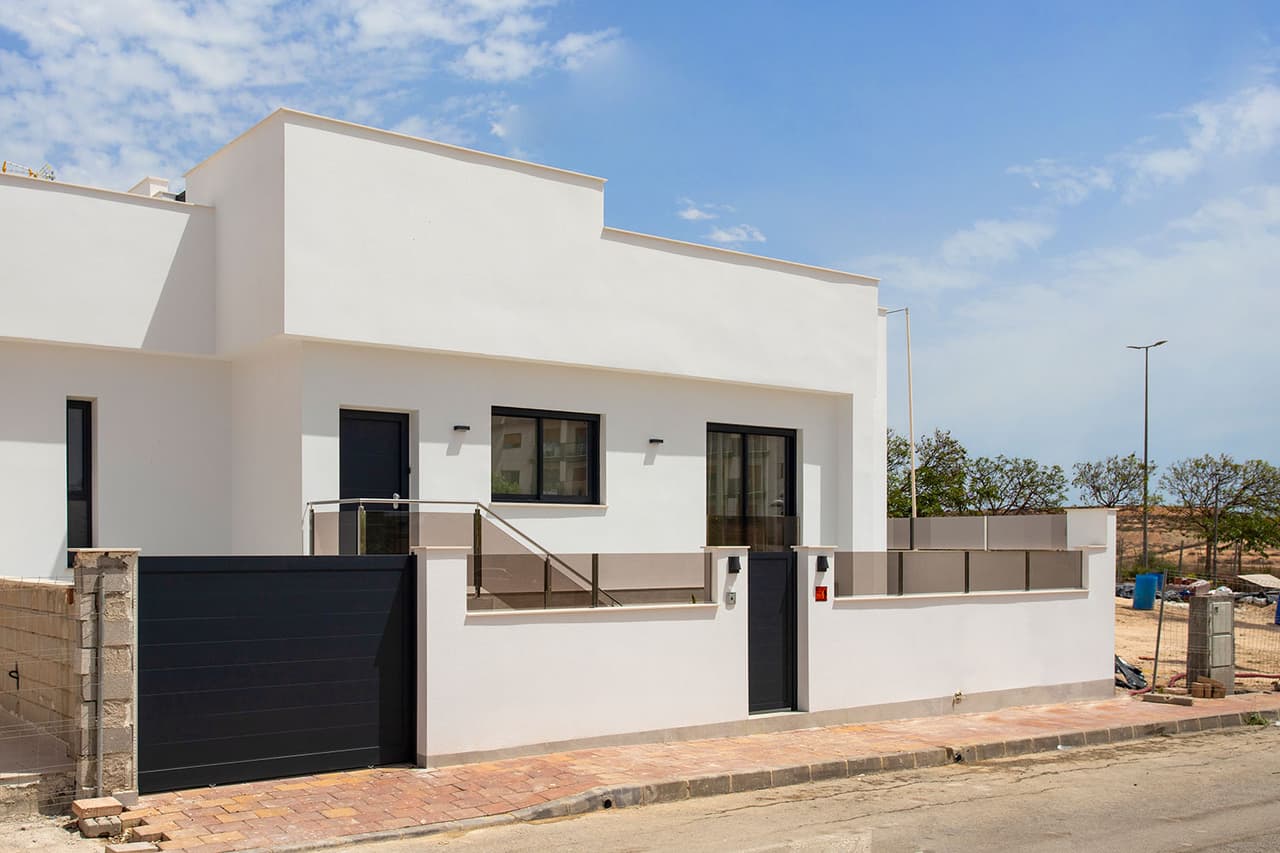
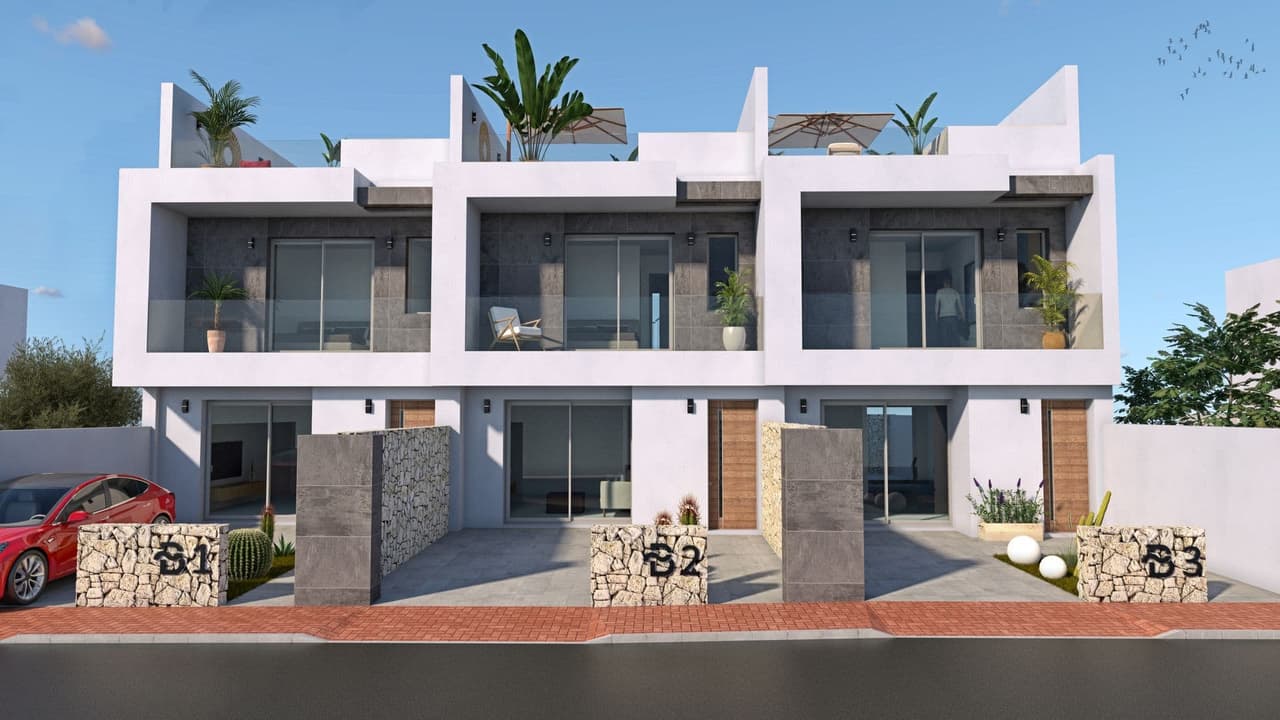
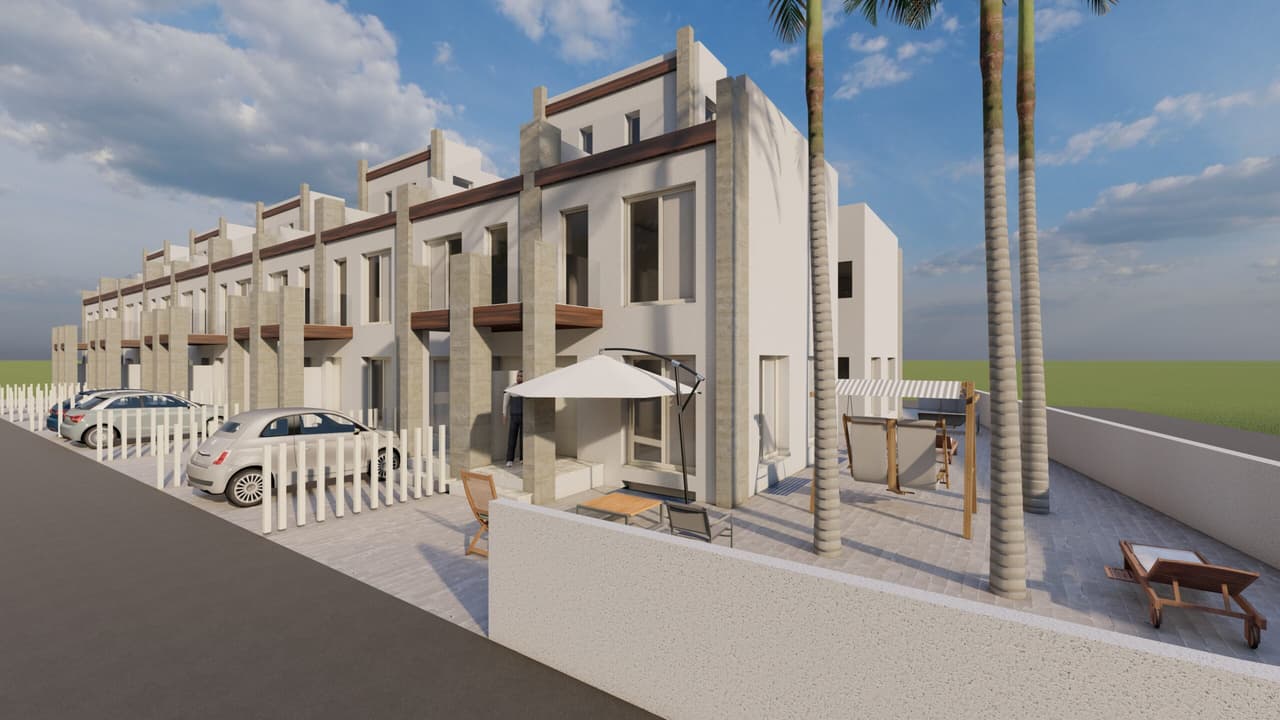
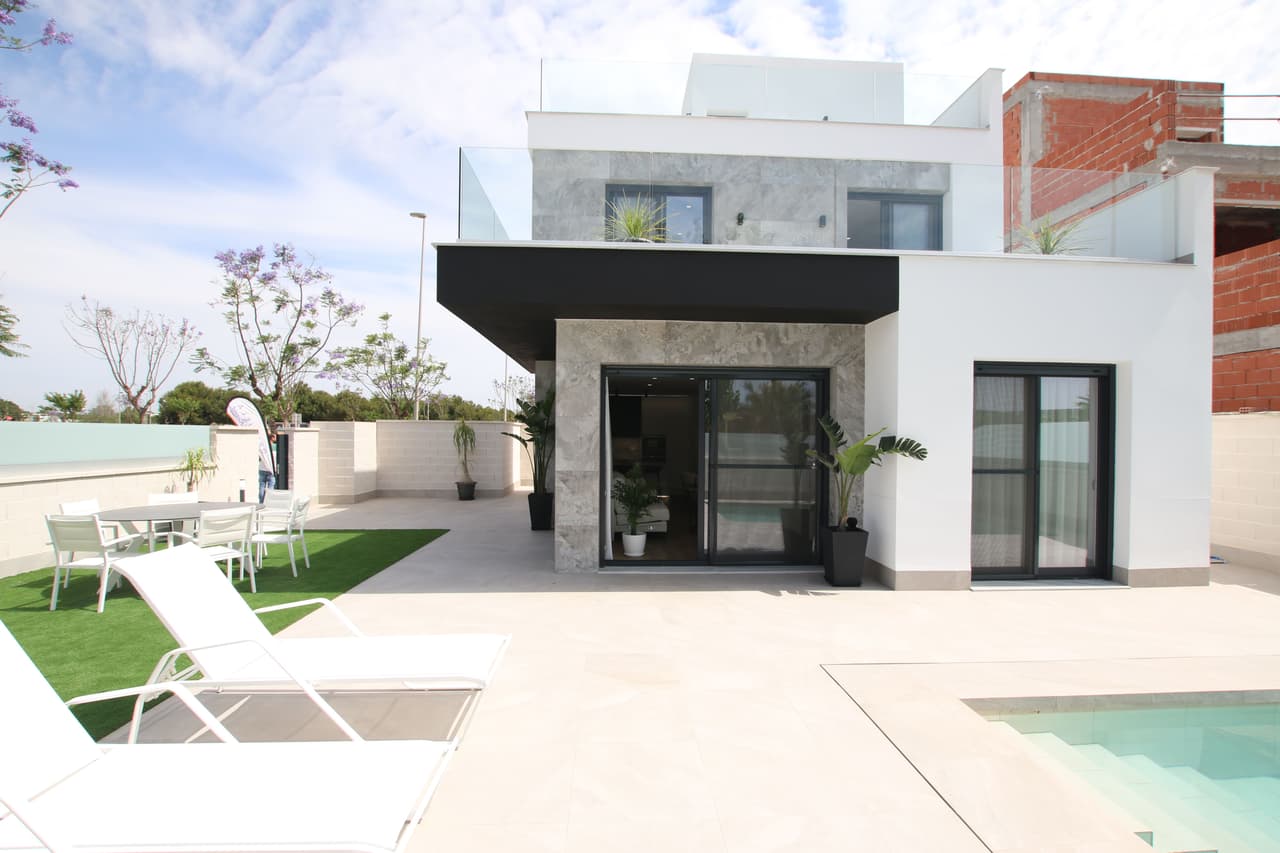
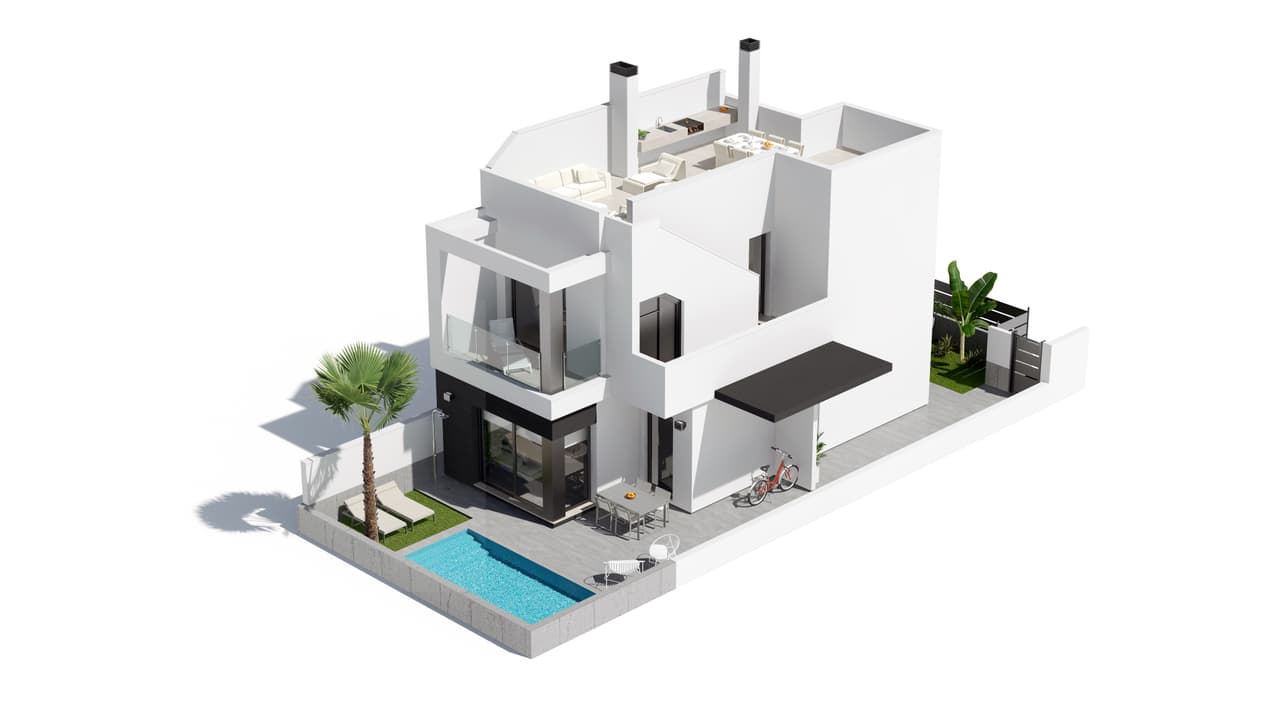
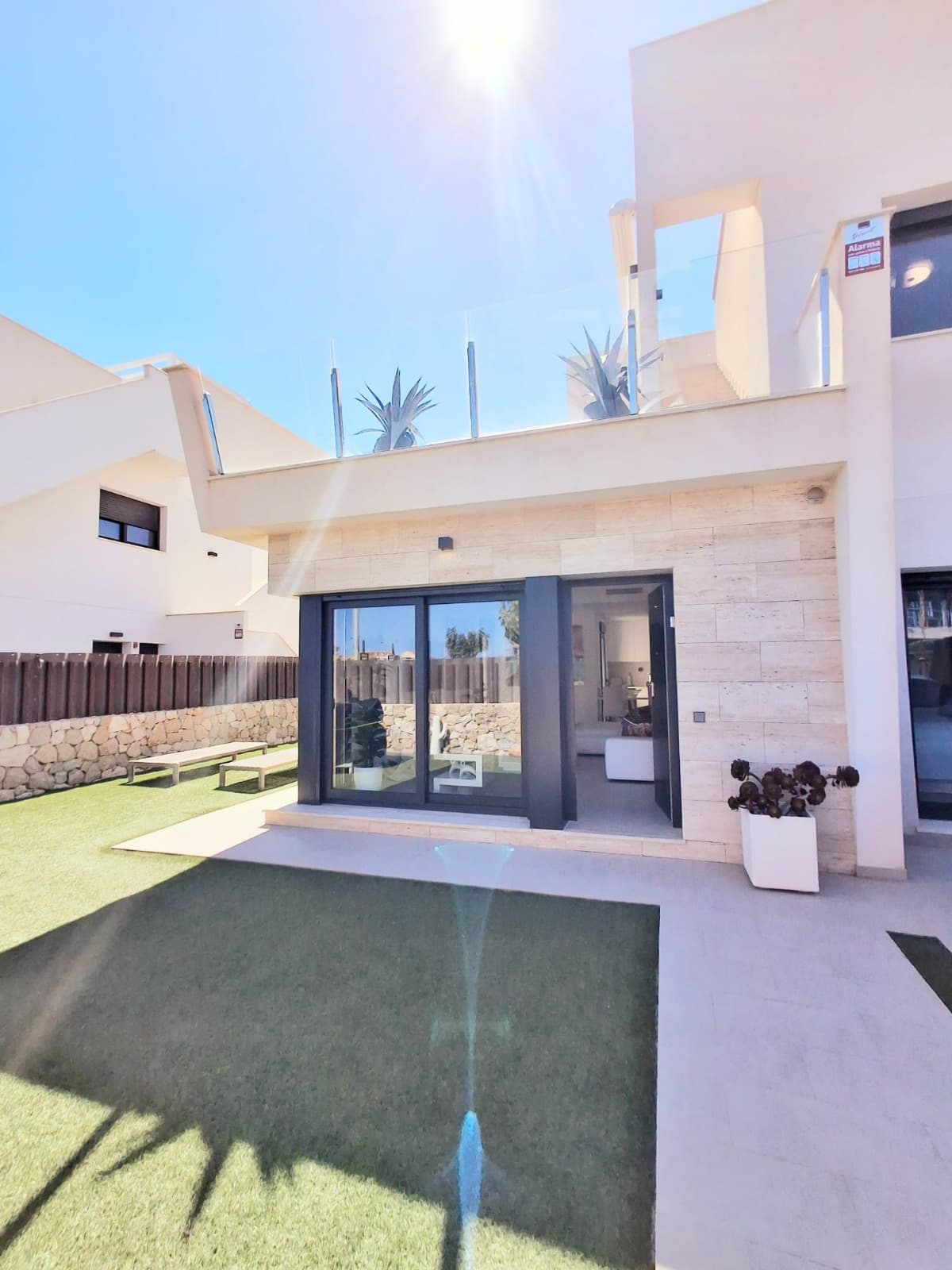
  • Townhouse (Adosado/Bungalow): Semi-detached or terraced. Private garden, often shared pool. From ~€180,000.
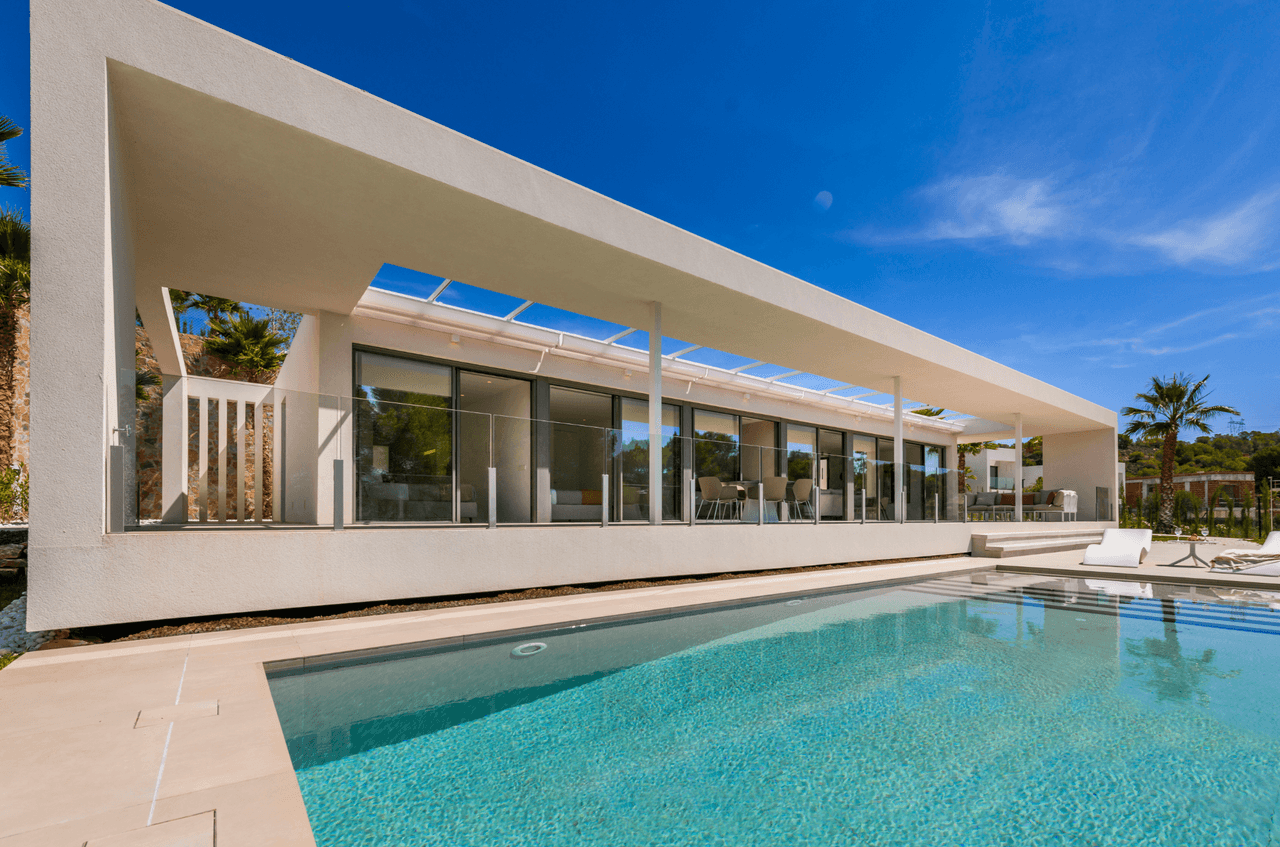
  • Detached house (Casa independiente): Fully detached, more privacy, varied sizes.
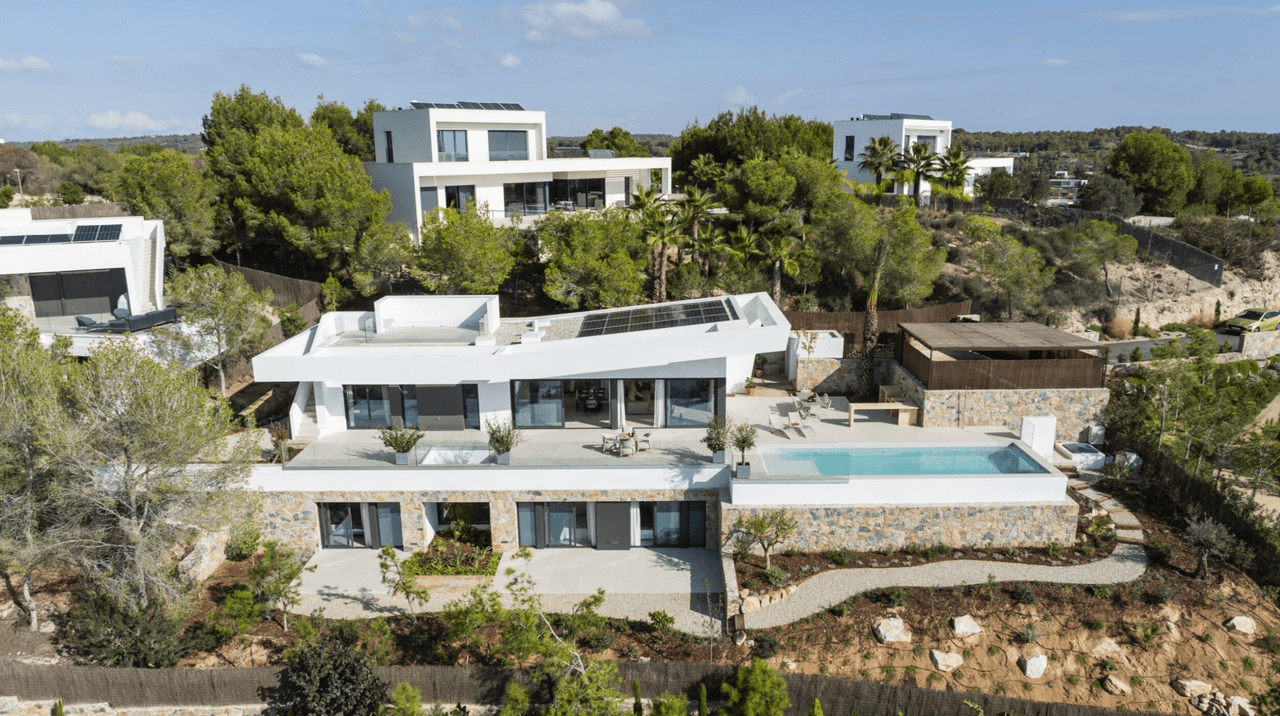
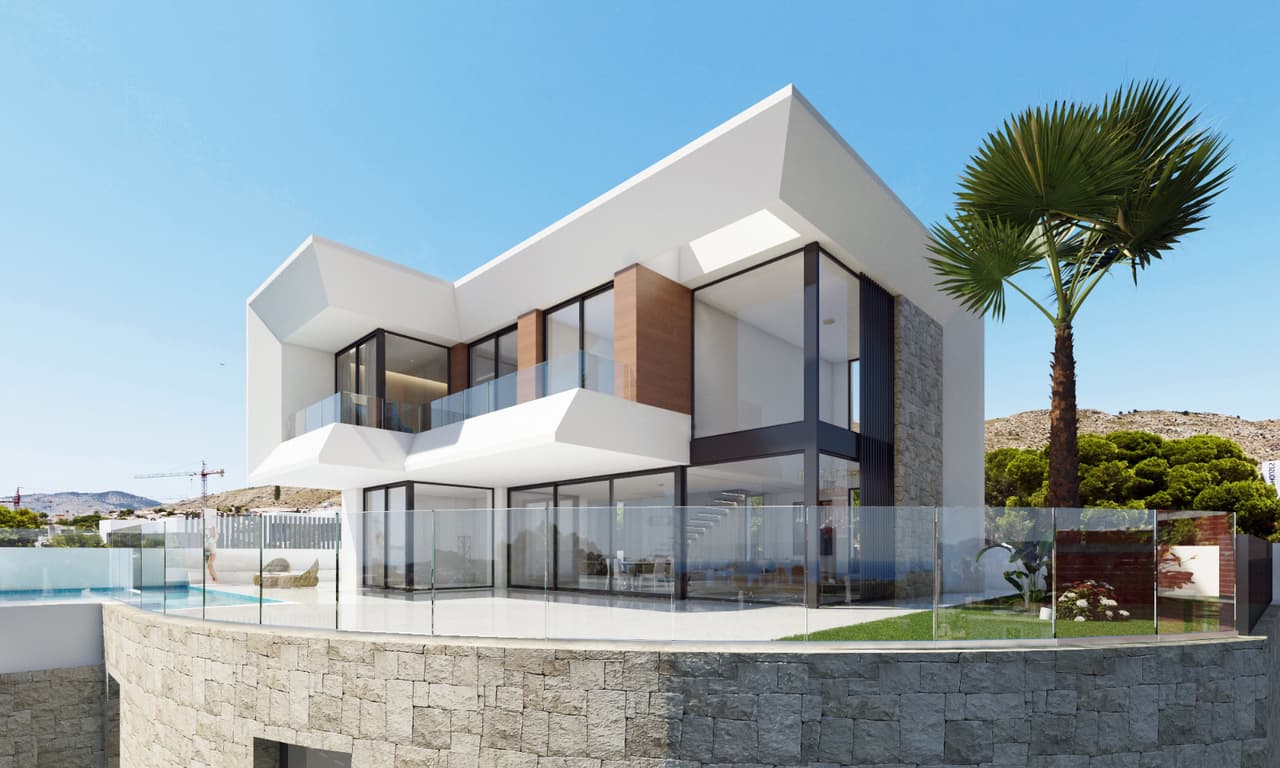
  • Luxury villa: Premium finishes, sea views, home cinema, wine cellar. From €1 million.

Looking for your ideal house?

Our experts will match you with the perfect property for your budget and lifestyle.

Contact us

House Prices in Spain

House prices in Spain vary significantly by region and property type. Below are current averages:

  • Costa Blanca: ~€2,200/m² — detached villas from €250,000
  • Costa del Sol: ~€3,500–4,500/m² — villas from €400,000
  • Torrevieja: Houses from €500,000 — popular coastal location with strong expat community
  • Marbella: ~€4,850–7,000/m² — luxury villas from €1,000,000

Best Regions for Houses in Spain

Costa Blanca is the most popular region for international buyers — mild climate, affordable prices and excellent transport links. Costa del Sol attracts luxury buyers with prestigious Marbella and Estepona. Costa Cálida (Murcia) offers the best value for money with growing infrastructure.

Why Buy a House in Spain?

  • 320+ sunny days per year — one of Europe's best climates
  • Property values rising 5–9% annually on the coast
  • Rental income: 4.5–7% yield on short-term holiday lets
  • World-class healthcare, transport and lifestyle infrastructure
  • EU residency pathway: Golden Visa for purchases over €500,000

Step-by-Step: Buying a House in Spain

  1. Budget and financing: Define your budget including 10–14% additional costs (taxes, notary, legal).
  2. NIE number: Apply for your Número de Identificación de Extranjero at a Spanish consulate or in Spain.
  3. Property search: Browse listings and shortlist properties — we can arrange viewings.
  4. Reservation contract: Sign a private purchase contract and pay 10% deposit.
  5. Completion at notary: Final deed signed before a Spanish notary. Keys handed over. Typically 4–8 weeks.

Additional Purchase Costs

Budget for 10–14% on top of the purchase price: property transfer tax (ITP) 8–10%, notary fees ~0.5%, land registry ~0.5%, legal fees ~1%. Our team will guide you through every cost upfront — no surprises.

Also consider: apartments in Spain, villas in Spain, penthouses in Spain, flats in Spain, seaside properties in Spain.

FAQ

Frequently asked questions about houses in Spain

Everything you need to know about buying a house or villa in Spain — from legal requirements to running costs.

Can a foreigner buy a house in Spain?+
Yes, foreigners can freely buy property in Spain. The only requirement is a NIE number (Número de Identificación de Extranjero), which is the Spanish tax identification for non-residents. You also need a Spanish bank account. The entire purchase process typically takes 6–12 weeks.
How much does a house in Spain cost in 2026?+
Prices vary significantly by region. On Costa Blanca, houses start from around €250,000 for a 3-bedroom villa with pool. On Costa del Sol, prices range from €400,000 to several million euros. According to Tinsa, Spanish property prices rose 10.4% year-on-year, and the INE House Price Index (HPI) recorded +12.9% in Q4 2025.
What taxes apply when buying a house in Spain?+
For new-build houses, VAT (IVA) is 10% plus Stamp Duty (AJD) of 1.2–1.5%. For resale properties, the Transfer Tax (ITP) applies: 7% in Andalusia, and from 1 June 2026, 9% in the Valencia region. Total additional purchase costs are typically 10–14% of the purchase price.
What is the difference between a house and a villa in Spain?+
In Spain, the term "villa" is often used as a marketing description for a prestige detached house — typically with a private pool, large plot and premium finishes. In legal terms, both are classified as detached houses (casa unifamiliar). Townhouses (adosados or bungalows) are semi-detached or terraced and generally more affordable, usually from €180,000.
Is buying a house in Spain a good investment?+
Yes. According to Tinsa, Spanish coastal property rose 10.4% year-on-year. Holiday rental yields on Costa Blanca and Costa del Sol typically reach €1,200–3,500 per week during peak season. Spain welcomed a record 96.8 million tourists in 2025, sustaining strong demand for short-term rentals.
What is the step-by-step process for buying a house in Spain?+
The typical purchase process: (1) Obtain your NIE number, (2) Open a Spanish bank account, (3) Sign the reservation contract and pay a deposit (usually €3,000–10,000), (4) Sign the private purchase contract (arras) and pay 10% of the price, (5) Complete at the notary and receive the keys. The full process takes 6–12 weeks.
Can a non-resident get a mortgage in Spain?+
Yes. Spanish banks offer mortgages to non-residents, typically financing 60–70% of the property value. You will need proof of income, recent tax returns, and a clean credit history. Interest rates for non-residents are generally slightly higher than for residents.
Can I rent out my house to tourists in Spain?+
Yes, but you need a regional tourist rental licence. Requirements vary by autonomous community. Following Royal Decree 1312/2024, homeowner communities can now restrict short-term rentals by a 3/5 majority vote. Spain recorded 96.8 million tourist arrivals in 2025, maintaining high occupancy and strong rental income potential.
What is a nota simple and why is it essential?+
A nota simple is an official extract from the Land Registry (Registro de la Propiedad) confirming the property's owner, dimensions, any mortgages, charges or encumbrances. It is an essential document in any Spanish property purchase — always obtain a nota simple before signing any contract or paying a deposit.
What are the annual running costs of a house in Spain?+
Annual running costs for a house in Spain typically range from €4,000 to €6,000 and include: IBI (local property tax) €400–1,200/year, home insurance €300–600/year, pool and garden maintenance €1,200–3,000/year, utilities €1,200–2,400/year, and IRNR (non-resident income tax) if you do not rent the property out.
Are house prices in Spain still rising?+
Yes. The INE House Price Index recorded +12.9% growth in Q4 2025, and Tinsa reported +10.4% year-on-year. In Málaga, prices have reached €2,887/m² on average. Demand continues to outpace supply in coastal areas, and international buyers — particularly from the UK, Germany and the Netherlands — are a key driver.
What are the best locations to buy a house in Spain?+
Costa Blanca (Alicante province) is the most popular region — affordable, sunny and with excellent international connections. Costa del Sol (Málaga province) attracts luxury buyers, with Marbella and Estepona as top locations. Costa Cálida (Murcia) offers the best value for money. All three regions benefit from 300+ sunny days per year and strong rental demand.

Ready to find your house in Spain?

Our English-speaking experts are here to help. Free consultation, no commitment.