
Tax Settlements and Deductions for Property Owners in Spain
Owning property in Spain comes with numerous benefits, but also tax obligations. To avoid unnecessary financial and legal issues, owners should be aware of the basic rules regarding tax settlements and deductions related to real estate. In this article, we will present key information about the Spanish tax system, including property taxes, deduction possibilities, and settlement rules for residents and non-residents.
Introduction
Owning property in Spain comes with numerous benefits, but also tax obligations. To avoid unnecessary financial and legal issues, owners should be aware of the basic rules regarding tax settlements and deductions related to real estate. In this article, we will present key information about the Spanish tax system, including property taxes, deduction possibilities, and settlement rules for residents and non-residents.
1. Types of Taxes for Property Owners in Spain
Property Tax (IBI - Impuesto sobre Bienes Inmuebles)
- The IBI tax is a local tax paid annually by all property owners.
- The amount of tax depends on the cadastral value of the property (valor catastral), which is usually lower than the market value.
- The tax rate ranges from 0.4% to 1.1% of the cadastral value, depending on the location.
Income Tax for Non-Residents (IRNR - Impuesto sobre la Renta de No Residentes)
- Applies to non-resident owners who do not rent out their property.
- The tax is calculated based on the presumed income, which is 1.1% or 2% of the cadastral value of the property.
- The rate is 19% for EU/EEA citizens and 24% for others.
Rental Income Tax
- Rental income is taxed for both residents and non-residents.
- Residents pay income tax at progressive rates from 19% to 47%, while non-residents pay a flat rate of 19% (for EU/EEA) or 24%.
- Owners can deduct expenses related to renting (e.g., repairs, insurance, administrative fees).
Capital Gains Tax (CGT - Capital Gains Tax)
- If you sell your property, you will pay capital gains tax.
- Rates range from 19% to 26% depending on the amount of profit.
- For residents over 65 years old, the sale of property is exempt from tax if it has been their main residence for at least 3 years.
Wealth Tax (IP - Impuesto sobre el Patrimonio)
- Applies to property owners with assets exceeding a certain threshold (usually €700,000).
- Rates range from 0.2% to 2.5%, depending on the net value of the assets.
2. Tax Deductions for Property Owners
Rental Expenses
Owners renting out properties can deduct:
- Mortgage interest related to the property.
- Repair and maintenance costs.
- Utility costs (water, electricity, gas).
- Rental management costs, such as fees to real estate agencies.
- Property insurance.
Deductions for Residents
Residents can benefit from tax relief if the property is their main residence. This includes:
- Part of the mortgage interest.
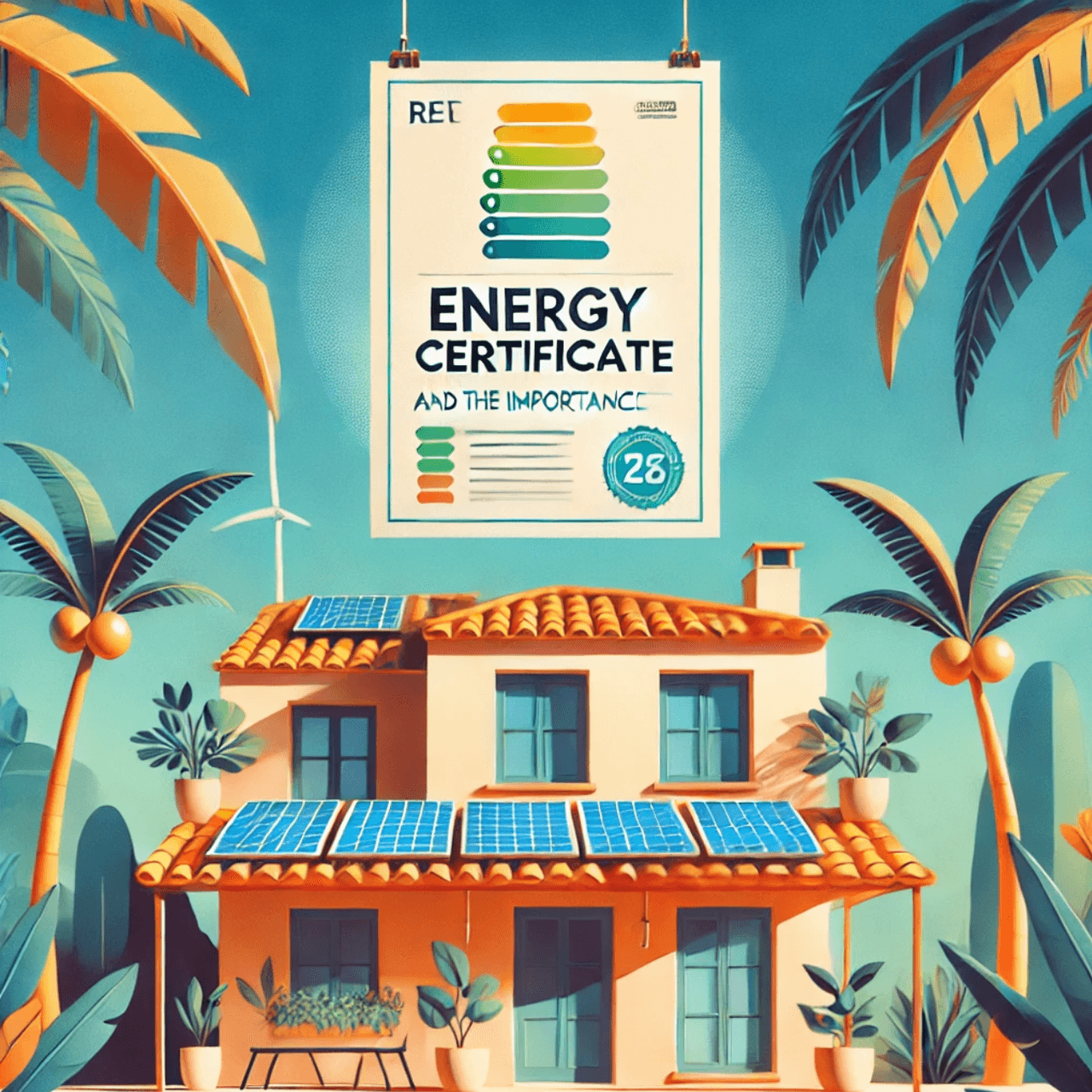
- Investments in energy-efficient installations (e.g., solar panels, new heating systems).
Reliefs for Non-Residents from the EU/EEA
Non-residents from EU/EEA countries can also deduct rental costs, which is not possible for owners from outside the EU.
3. Deadlines and Procedures for Tax Settlements
Payment Deadlines
- IBI: Usually payable once a year, typically in the summer months, depending on local regulations.
- IRNR: Tax returns for non-residents must be submitted by December 31 each year.
- Rental Income Tax: Returns are submitted quarterly for non-residents, while residents settle annually.
Filing Returns
Tax returns are filed online through the Spanish tax office (Agencia Tributaria). It is advisable to seek the help of a tax advisor to avoid mistakes.
4. Common Mistakes in Tax Settlements
- Failure to Declare Property: Many owners, especially non-residents, forget the obligation to declare their property to the tax office.
- Incorrect Deductions: Improper documentation of expenses can result in the rejection of deductions.
- Missing Deadlines: Late submissions can result in financial penalties.
5. How to Avoid Tax Problems?
- Consultation with an Expert: Working with a lawyer or tax advisor specializing in Spanish tax law will help avoid mistakes.
- Regular Settlements: Ensure that all returns are submitted on time.
- Monitoring Changes in Regulations: Spanish tax regulations can change, so it is important to stay updated.
6. Investments in Energy Efficiency and Tax Reliefs
Spain promotes sustainable development by offering tax reliefs for owners who modernize their properties. You can deduct costs for:
- Installation of photovoltaic panels.
- Replacement of windows with more energy-efficient ones.
- Purchase of eco-friendly heating systems.
Conclusion
Tax settlements for property owners in Spain may seem complicated, but knowing the basic rules and utilizing available deductions can help optimize tax burdens. Remember to monitor deadlines, avoid mistakes in returns, and seek professional assistance. With proper tax management, your investment in Spanish property will be even more profitable.
Need support with your tax settlements? Contact our team of experts who will assist you with every financial aspect related to your property in Spain!