
Spanish Culture and Traditions: What You Should Know?
Spain is a country rich in culture and traditions that are an integral part of daily life. Discover the key aspects of Spanish culture, customs, and traditions worth knowing before moving to this beautiful country.
Spain is a country with an incredibly rich culture and deeply rooted traditions. Each region of Spain has its unique customs, festivals, and distinctive lifestyle that shape national identity and influence the daily lives of its residents. Moving to Spain or planning a longer stay is a great opportunity to understand these diverse cultural elements. In this article, we will discuss the key aspects of Spanish culture and traditions that are worth knowing before residing in this country.
1. Siesta – The Spanish Resting Custom
One of the most characteristic elements of daily life in Spain is the siesta. Siesta is a short break during the day, usually in the afternoon, when most shops and businesses close their doors for a few hours. It is a time when Spaniards rest, have lunch, or take a nap, especially in the hot summer months.
Why is siesta important?
- Rest in a hot climate: Spain has hot summers, and siesta allows residents to avoid the hottest hours of the day.
- Element of daily ritual: Siesta is rooted in culture as a way to recharge and enjoy life at a slower pace.
2. Fiesta – Festivals and Celebrations
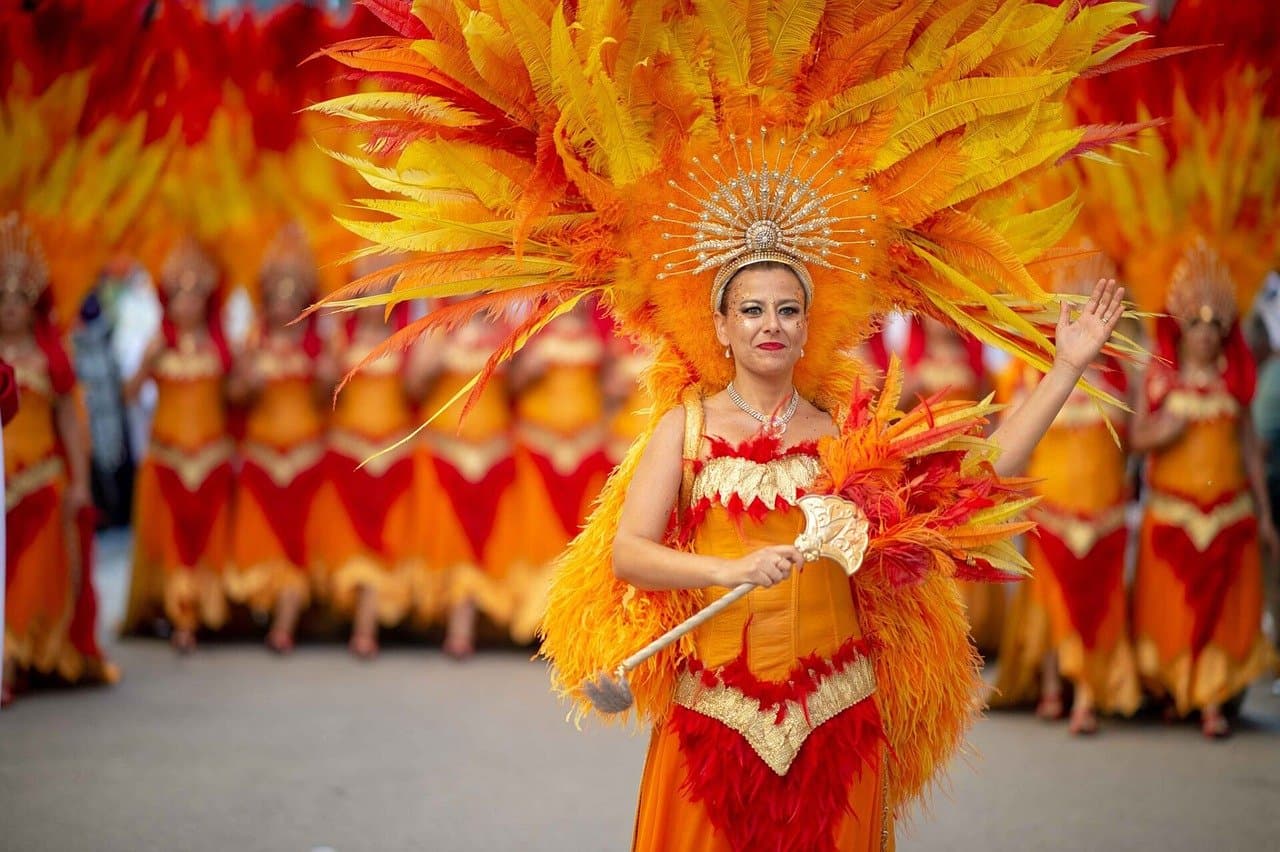
Festivals and celebrations are an inseparable part of Spanish culture. Numerous fiestas are organized throughout Spain, providing an opportunity for communal celebration, dancing, music, and fireworks displays. Each city has its unique celebrations that are observed with great enthusiasm.
Key festivals and celebrations:
- Semana Santa (Holy Week): Religious processions across the country, particularly impressive in Andalusia.
- La Tomatina: A tomato-throwing festival held in the town of Buñol, attracting tourists from around the world.
- Fallas in Valencia: A celebration involving the construction and burning of huge paper and wood sculptures, culminating in a fireworks display.
3. Tapas – The Art of Spanish Eating
Tapas is one of the most well-known Spanish culinary traditions. Tapas are small portions of various dishes served as snacks with drinks in bars and restaurants. Sharing tapas with family and friends is an important part of Spanish culture that promotes sociability and sharing food.
What should you try?
- Patatas bravas: Fried potatoes served with a spicy sauce.
- Tortilla de patatas: A traditional omelet made with potatoes and onions.
- Jamón ibérico: Aged Spanish ham, considered one of the country's finest delicacies.
4. Flamenco – Music, Dance, and Passion
Flamenco is a traditional music and dance form originating from Andalusia, but known and appreciated throughout Spain. It is an art form that expresses strong emotions, passion, sadness, and joy. Flamenco consists of three elements: singing (cante), dancing (baile), and guitar playing (toque).
Where is the best place to see flamenco?
- Sevilla and Granada are two cities famous for the best flamenco performances. It is worth visiting local bars and theaters to see authentic live shows.
- Flamenco festivals held in various parts of the country are a great opportunity to immerse yourself in this beautiful tradition.
5. Corrida – The Controversial Tradition of Bullfighting
One of the most controversial traditions in Spain is the corrida, or bullfighting. Although the popularity of bullfighting is declining, especially among younger generations, it remains a significant element of Spanish cultural heritage. In some regions, such as Andalusia and Madrid, bullfights are still organized; however, more and more cities, like Barcelona, are introducing bans on these events.
What should you know about corrida?
- History and symbolism: Corrida has deep roots in Spanish history and is seen as a form of art, albeit controversial.
- Changing attitudes: An increasing number of Spaniards oppose bullfighting, reflecting changing attitudes towards animal rights.
6. Art and Architecture – Spain's Heritage
Spain has a rich history of art and architecture that is visible in every corner of the country. From monumental cathedrals to modern buildings, Spanish architecture reflects the influences of many cultures that have shaped this country over the centuries.
What should you see?
- La Sagrada Familia in Barcelona – a masterpiece of modernism designed by Antoni Gaudí.
- Alhambra in Granada – a historic Moorish palace that is one of the most important symbols of Spanish heritage.
- Prado in Madrid – one of the most important art museums in the world, housing works by Velázquez, Goya, and El Greco.
7. Language and Dialects – Spanish Diversity
Although Spanish (castellano) is the main language in the country, Spain is a multilingual country, and in some regions, other languages such as Catalan, Basque, or Galician are spoken. Each region has its distinct culture and linguistic traditions that are an important part of local identity.
What languages are spoken in Spain?
- Catalan: Spoken in Catalonia, Valencia, and the Balearic Islands.
- Basque (Euskera): A language spoken in the Basque Country, one of the oldest in Europe.
- Galician: Spoken in Galicia, a region in the northwest of Spain.
Summary
Spain is a country with a rich and diverse culture that is present in every aspect of daily life – from food to music to art. Siesta, flamenco, tapas, and fiesta are just some of the traditions that create Spanish identity. For those planning to live in Spain, understanding these customs is key to fully immersing oneself in the local lifestyle. Spanish culture is diverse, open, and full of passion, making life in this country a unique experience.