
Costa Blanca vs Costa del Sol – Real Estate in Spain 2025: A Comparison of Regions
Are you planning to purchase real estate in Spain in 2025? The two most popular Spanish coasts, Costa Blanca and Costa del Sol, attract the attention of investors, families with children, and retirees dreaming of their own home in Spain. Both regions offer a sunny climate, beautiful beaches, and a high quality of life, but they differ in terms of lifestyle, property prices, and potential rental returns. Below, we present a comprehensive comparison of Costa Blanca and Costa del Sol based on key criteria: lifestyle, property prices, return on investment, climate, and airport accessibility. Find out which coast better meets your needs and expectations.
Lifestyle and Community
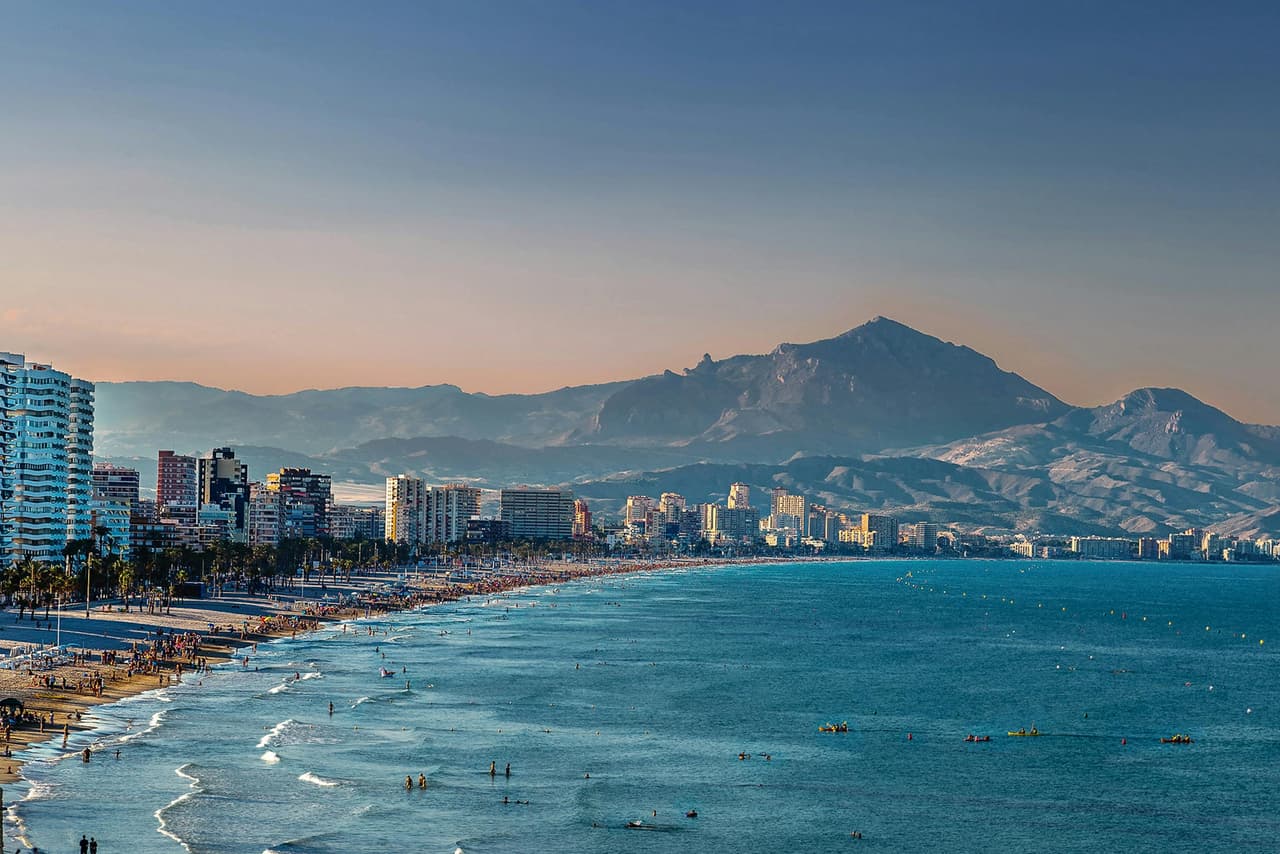
The Costa Blanca coast offers wide, sandy beaches (shown in the photo around Alicante) that attract families with children in the summer. Costa Blanca is considered quieter and more intimate. The pace of life here is slower than on the Costa del Sol. The Alicante region combines modernity with Spanish tradition – during the day, you can stroll along promenades and beaches, and in the evening, enjoy tapas in local restaurants. It is an ideal place for families seeking a friendly environment and for retirees wanting peace and sunshine. There are plenty of green parks, marinas, and tourist attractions that make time enjoyable for both residents and visitors. Costa Blanca is often called a Mediterranean oasis of tranquility; it has large communities of foreigners (including many Poles) living in harmony with local residents. Popular towns such as Torrevieja, Calpe, Benidorm, and Alicante provide a balance between relaxation and access to urban services. Towns like Calpe, Benidorm, or Torrevieja are often chosen by Polish investors and expats due to their friendly atmosphere and family-oriented infrastructure.
Costa del Sol, on the other hand, offers a more dynamic, cosmopolitan lifestyle. This coastal region of Andalusia is vibrant – it features trendy resorts (Marbella, Estepona), the large city of Malaga, and numerous smaller towns full of entertainment. Life moves faster here: exclusive restaurants, boutiques, beach clubs, and a rich nightlife attract those who prefer a more active and luxurious lifestyle. Costa del Sol is famous for its golf courses (hence it is sometimes called the “Golf Coast”) and a wide range of sports – from sailing to surfing – making it a paradise for the active. The region has an international character: many residents are foreigners (British, Scandinavians, Germans, etc.), creating a cosmopolitan atmosphere. Places like Marbella or Puerto Banús exude luxury and attract wealthy investors and celebrities. At the same time, in the cities of Costa del Sol, residents have access to all the amenities of a large city – from shopping centers to hospitals and international schools. For families with children, the region offers numerous amusement parks, zoos (e.g., Bioparc in Fuengirola), and water parks, as well as high-quality international schools. Retirees appreciate the mild climate and rich culture of Andalusia – from famous fiestas and flamenco to historical monuments in Malaga and the surrounding area. Thus, it can be said that Costa del Sol is a coast for those thirsty for a life full of events, culture, and a touch of exclusivity.
Property Prices in 2025
Property prices differ significantly between Costa Blanca and Costa del Sol, reflecting the different profiles of both markets. Generally, Costa Blanca is cheaper, making it more accessible for the average investor, while Costa del Sol is a more expensive market driven by luxury and foreign demand. Below are example average prices per square meter in popular locations (secondary market):
- Costa Blanca – more affordable prices: approx. €2000–3000 per m² in typical tourist towns (Alicante, Torrevieja, Benidorm). Depending on the standard and location of the property, rates can reach up to ~€4000/m² (the most expensive areas of northern Costa Blanca like Moraira or Altea). On average, however, apartments and houses are significantly cheaper than on the southern coast, as confirmed by the Idealista report – the average price on Costa Blanca is lower than on Costa del Sol or the Balearics. For example, in the province of Alicante, the median price is around €2000/m², and the average transaction price is ~€162,000 for a property.
- Costa del Sol – more expensive, luxury market: approx. €3000–5000 per m² depending on the city and location standard. The highest prices are recorded in prestigious towns like Marbella or Benahavís, where they average even ~€5500 per m². Marbella is considered the leader in terms of prices – in 2024, it reached about €5,501/m², recording significant year-on-year increases. Also, Puerto Banús and Mijas are expensive due to prestige and foreign buyers. More affordable areas on Costa del Sol (e.g., some districts of Fuengirola or Torremolinos) offer prices closer to €2500–3000/m², but overall this coast is about 30-50% more expensive than Costa Blanca for comparable properties. Despite high prices, demand remains strong – Malaga and its surroundings recorded ~4% price growth quarter-on-quarter at the beginning of 2024, mainly driven by the premium segment.
It is worth noting that new developments in both regions are priced higher than the secondary market. In Costa Blanca, prices for new apartments rose by about 4.8% in 2023, and in the Alicante area, there is growing interest in luxury villas and gated communities. Meanwhile, in Costa del Sol, the luxury property segment (Marbella, Estepona) grew by as much as 20% in 2024, and demand for modern villas and apartments with sea views is very high. For buyers, this means that Costa Blanca offers more for less, while on Costa del Sol, we pay a premium for the prestige of the location.
Return on Investment from Rentals
Investors planning to purchase for rental should consider the potential return on investment on both coasts. Both Costa Blanca and Costa del Sol are popular tourist destinations, which translates into attractive returns from short-term (holiday) rentals. However, there are some differences:
- Short-term (tourist) rentals – On Costa del Sol, due to strong tourist demand, one can achieve high rents in the season. The average gross return on holiday rentals is estimated at around 5–7% per year. In the most crowded locations, such as the center of Malaga or the Golden Mile in Marbella, profitability can reach 8–9% per year – of course, at the cost of more work in managing rentals and seasonal fluctuations in occupancy. Also, towns like Estepona, Benalmádena, or Nerja generate solid 4–6% from tourist rentals. In contrast, Costa Blanca offers slightly lower but still attractive returns from holiday rentals – typically 4–6% per year. In popular resorts (Benidorm, Alicante), occupancy reaches 90%+ during the peak summer season, boosting income. According to analyses, summer rentals on Costa Blanca are very profitable, and the mild winter means that even outside the season, there are interested parties – resulting in an annual profitability of around ~5% across the region.
- Long-term rentals – For year-round (residential) rentals, profits are more stable, though lower than for daily rentals. On Costa del Sol, average gross yields are 3.5–5.5% per year (e.g., about 4–5% in Malaga, 3.5–5% in Marbella, a bit more in cheaper suburbs). On Costa Blanca, long-term returns can achieve a similar order of magnitude – about 4–6% depending on location and standard – with lower property purchase prices at the start facilitating better percentage profitability. The advantage of long-term rentals is lower tenant turnover and lower operating costs; demand is generated here by retirees from other countries wintering in Spain or remote workers who are eager to rent for several months a year in a warm climate.
In summary: Both coasts allow for solid cash flow from rentals. Costa del Sol leads in the luxury rental segment (e.g., villas with pools for holiday rentals for wealthy tourists) and records slightly higher year-on-year property value growth, making it attractive for investors focused on capital appreciation. Costa Blanca, on the other hand, tempts with a lower entry threshold (cheaper purchase) and constant tourist demand in places like Benidorm – which translates into reliable income from seasonal rentals. In the long run, it is worth diversifying – both locations enjoy high interest from foreign buyers (in 2024, as much as 43.5% of transactions in the province of Alicante and >30% in Malaga were foreigners), which indicates investors' trust in the potential of these markets.
Climate and Weather
The sunny climate is a great asset of both coasts. Both Costa Blanca and Costa del Sol offer over 300 days of sunshine per year, allowing for beach and outdoor activities practically at any time of the year.
Costa Blanca (Valencia region) has an average annual temperature of about 18°C. Winters are mild here – in the coldest January, average daytime temperatures are around 12–15°C, and nights rarely drop below 6–8°C. The climate is dry and very sunny; Alicante records about 3000 hours of sunshine per year. In summer, the mercury rises to ~30°C, but the sea breeze alleviates the feeling of heat. Rainfall is minimal (mainly in short periods in spring and autumn). Characteristic of southern Costa Blanca are sunny lagoons (e.g., in Torrevieja), which create a local microclimate considered beneficial for health. This attracts many seniors from Europe seeking a climate friendly to those with rheumatic or respiratory problems.
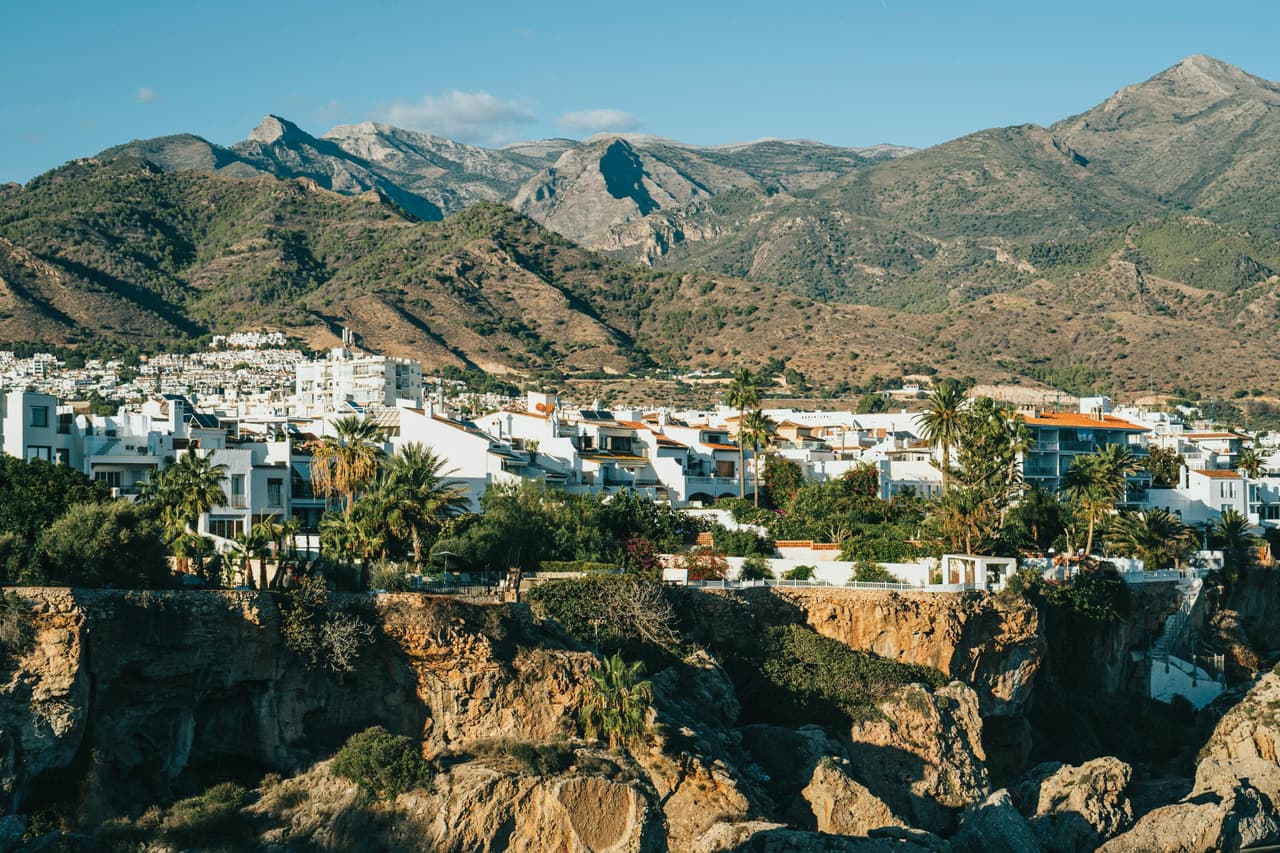
Costa del Sol is famous for its extensive beaches (shown in the photo of the natural Cabopino beach) and over 300 sunny days a year. On Costa del Sol (Andalusia), the climate is even slightly warmer – the average annual temperature is about 19°C, and in the mountains shielding the coast (Sierra Blanca, Sierra de Mijas), a microclimate is created that protects against cold winds. In winter, thermometers rarely show less than 10°C, and often the days are sunny with temperatures of ~16–18°C. This means that even in December or February, one can walk on the beach or play golf in a light jacket. Summers can be hot (July/August averages 30°C), but without extremes – heatwaves above 35°C occur less frequently than, for example, in the interior of Andalusia. Annual rainfall is low; rain mainly falls in late autumn and winter, keeping the golf courses and gardens green. Costa del Sol, in line with its name “Coast of the Sun,” offers a truly Mediterranean climate: sunny, dry, and mild. Tourists can relax here all year round – in spring and autumn, ideal conditions for activities prevail (20–25°C), and the sea remains warm enough for swimming from June until October.
Accessibility and International Connections
In terms of transport accessibility, both regions are well connected to the rest of Europe, including Poland. Costa Blanca is mainly served by the Alicante-Elche International Airport (ALC), which in 2023 served nearly 16 million passengers – it is one of the busiest airports in Spain (5th place in the country). Additionally, in the north of the region, there is an airport in Valencia, and in the south, a new airport Murcia-Corvera (though smaller). Direct flights from Poland to Alicante are operated by low-cost airlines and charters, especially in the summer season – the journey from Warsaw or Krakow takes about 3 hours.
Costa del Sol, on the other hand, has Malaga Airport (AGP) – a true gateway to Andalusia. The airport in Malaga is the third busiest in continental Spain (only behind Madrid and Barcelona). In 2023, it served over 22 million passengers, breaking records and offering connections to hundreds of destinations. Direct flights to Malaga are available from many cities in Poland (including Warsaw, Katowice, Wroclaw), including in the winter months due to high tourist interest. Besides airports, the Costa del Sol region has a well-developed road infrastructure – the A-7 highway runs along the coast, facilitating movement between resorts. Additionally, from Malaga, the AVE high-speed train operates (to Madrid in ~2h 45min), which increases the attractiveness of this destination for those traveling around Europe. Both regions also have long-distance bus lines connecting resorts with the rest of the country.
In terms of infrastructure, both coasts provide everything needed for comfortable living and relaxation. You will find modern hospitals, international schools, shopping centers, and of course, countless restaurants, bars, and recreational facilities. Costa del Sol, due to its larger cities, can boast slightly better cultural infrastructure (museums, theaters – especially in Malaga). Costa Blanca makes up for this with the tranquility of smaller towns and the lack of traffic jams (except during the peak season in Benidorm). When choosing a place to live or invest, it is worth considering access to the airport – if we plan to travel often, proximity to Malaga or Alicante will be a significant advantage. Nevertheless, regardless of the choice of coast, getting from Poland is easy, and once settled, we can count on well-organized transportation and a developed service base for foreigners.
Which Coast to Choose?
Costa Blanca or Costa del Sol? The final choice depends on individual preferences and purchase goals. If you are looking for a peaceful lifestyle, slightly lower prices, and a Mediterranean paradise climate – Costa Blanca will be an excellent choice. This “White Coast” offers a friendly atmosphere for families, beautiful beaches, and more affordable real estate in Spain in 2025. It is also a great option for investors hunting for opportunities – for the same amount, you can buy a larger or better-located apartment here than in the south, and rental profits in the summer season will still be very attractive. Costa del Sol, on the other hand, will appeal to those who value luxury, prestige, and an active social life. Higher prices translate into world-class infrastructure, renowned locations, and potentially higher returns on premium investments. It is an ideal region for active individuals: during the day, the beach or golf, in the evening, an elegant dinner in Puerto Banús – sounds tempting? For many, it does, as evidenced by the international community that has settled on the “Coast of the Sun” for years.
Regardless of the choice, both coasts guarantee a wonderful climate, beautiful surroundings, and a high quality of life. Many investors decide to purchase real estate in both regions – for example, a holiday apartment on Costa Blanca and another on Costa del Sol, combining the advantages of both locations. If you still have doubts, it is worth talking to local real estate experts who can help evaluate offers according to your needs.
On which coast do you see your dream home in Spain?
Contact us to receive an offer tailored to your expectations.
Regardless of your choice, the Spanish sun and coastal lifestyle await you!