
Comparing Return on Investment: Properties in the Mountains vs by the Sea
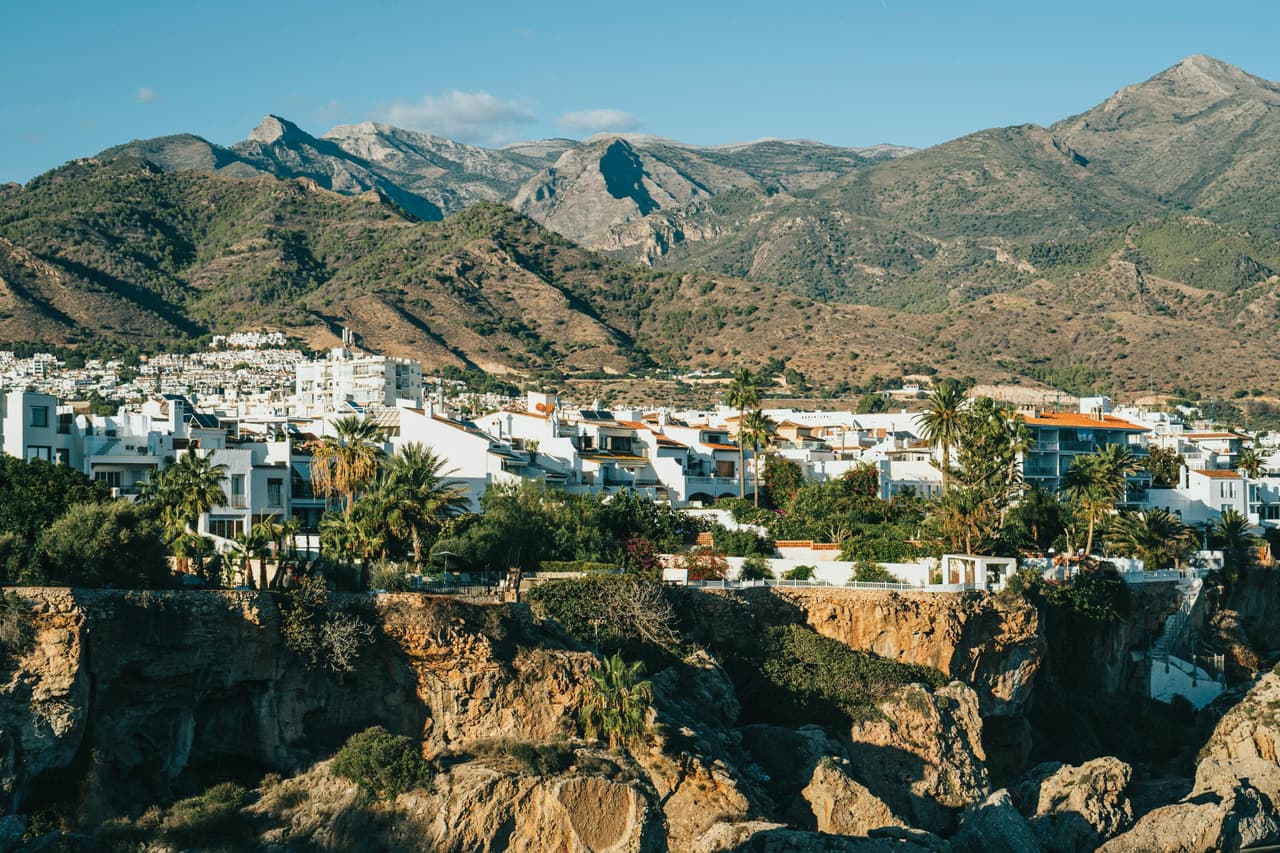
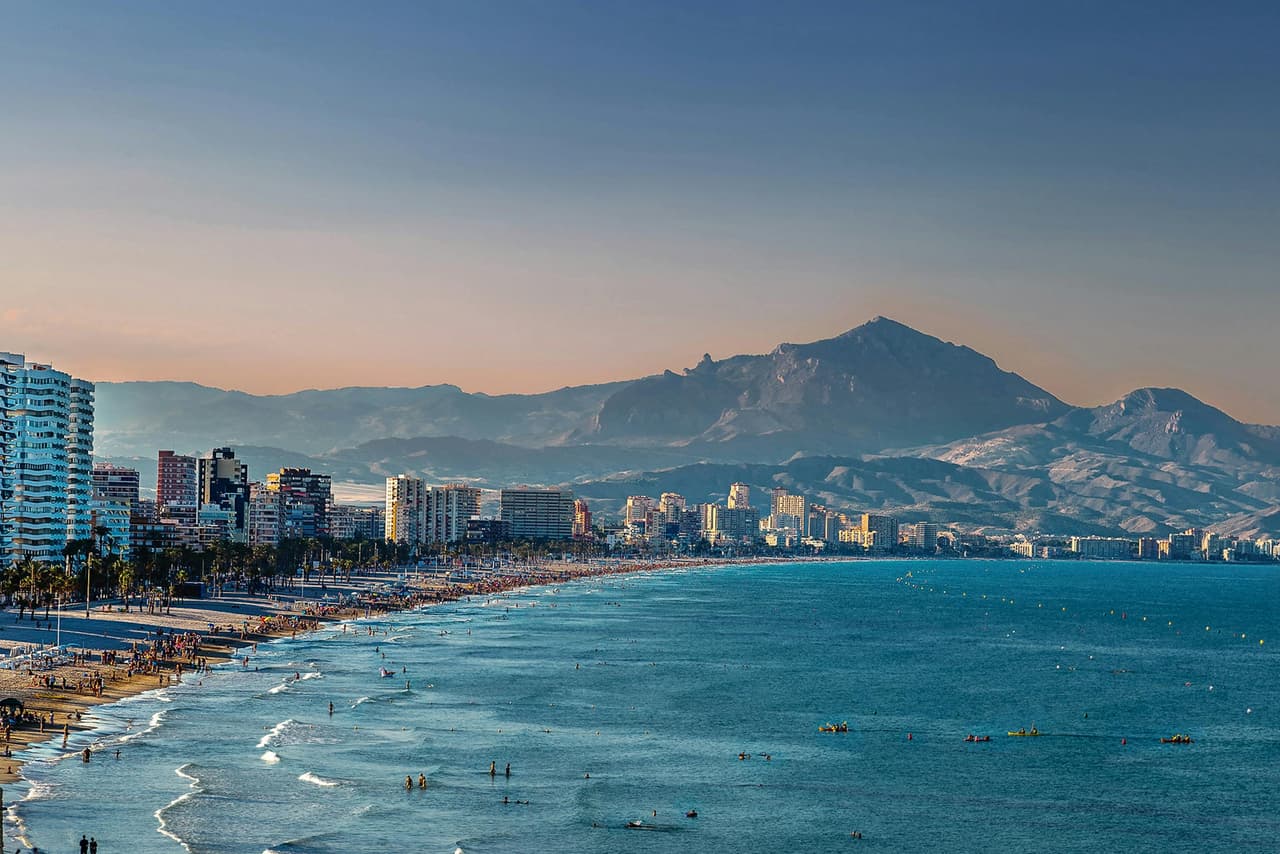
Investing in real estate has long been one of the most popular ways to grow capital. Spain, with its diverse geography and climate, offers two main investment segments: properties by the sea and properties in the mountains. Both types have their unique advantages and challenges, and the choice between them depends on the investor's goals, strategy, and expectations regarding return on investment (ROI). In this article, we will compare the investment potential of seaside and mountain properties in detail, analyzing aspects such as rental profitability, seasonality, maintenance costs, and property value growth potential.
Investing in real estate has long been one of the most popular ways to grow capital. Spain, with its diverse geography and climate, offers two main investment segments: properties by the sea and properties in the mountains. Both types have their unique advantages and challenges, and the choice between them depends on the investor's goals, strategy, and expectations regarding return on investment (ROI). In this article, we will compare the investment potential of seaside and mountain properties in detail, analyzing aspects such as rental profitability, seasonality, maintenance costs, and property value growth potential.
1. Location Attractiveness – Sea vs Mountains
Properties by the Sea
Coastal regions of Spain, such as Costa Blanca, Costa del Sol, or Costa Brava, have long enjoyed unwavering popularity among tourists and investors. The main advantages are:
- Stable tourist demand: Many tourists prefer seaside vacations, generating constant interest in seasonal rentals.
- Long tourist season: The Mediterranean coast offers sunny weather for most of the year, allowing for property rentals from early spring to late autumn.
- Higher rental prices in season: During peak season, seaside properties can achieve very high short-term rental rates.
Properties in the Mountains
Mountain regions, such as Sierra Nevada, the Pyrenees, or Asturias, offer a completely different investment perspective. The main advantages include:
- Unique tourist offerings: Mountains attract tourists in winter (winter sports) and summer (hiking, biking).
- Less competition: Compared to the coastal market, the mountain real estate market is less saturated, providing greater opportunities to stand out from the competition.
- Unique atmosphere: Many people choose the mountains for peace, quiet, and the opportunity to connect with nature.
2. Return on Investment (ROI) – Financial Analysis
ROI for Properties by the Sea
The average return on investment for seaside properties ranges from 4% to 8% per year, depending on location, property standard, and rental model (short-term vs long-term).
- Short-term rental: Generates higher income but requires more involvement and frequent management (cleaning, booking management).
- Long-term rental: Stable but lower income. Ideal for investors preferring a less engaging property management model.
Key factors affecting ROI:
- Distance from the beach.
- Proximity to tourist attractions and restaurants.
- Standard of property finishing.
ROI for Properties in the Mountains
The return on investment for mountain properties is more varied and depends on the specifics of the location. The average ROI in the mountains ranges from 3% to 7% per year.
- Seasonal rental (winter and summer): Seasonality is more pronounced than by the sea, with high occupancy in winter (skiing) and moderate in summer.
- Potential for luxury tourism: Exclusive mountain villas or cabins offer higher rental rates but also require greater maintenance and marketing investments.
Key factors affecting ROI:
- Proximity to ski slopes.
- Access to hiking trails and natural attractions.
- Seasonality and ability to maximize occupancy outside the winter season.
3. Property Maintenance Costs
Properties by the Sea:
- Higher maintenance costs: Humidity, sea salt, and intense sunlight can lead to faster degradation of building materials.
- More frequent repairs and maintenance: Especially balconies, terraces, and facades require regular renovation.
- Homeowners association fees: Often higher in complexes with pools, security, and gardens.
Properties in the Mountains:
- Lower operating costs: Less humidity and lack of sea salt action make buildings less prone to corrosion.
- Seasonal wear and tear on infrastructure: Intensive use in winter may lead to frequent repairs of heating equipment or plumbing installations.
- Association fees: Usually lower than by the sea, unless the property is in a luxury ski resort.
4. Seasonality and Property Occupancy
Seasonality is crucial for the profitability of property rentals.
- By the sea: Long tourist season (from May to October), and in some locations (e.g., Costa del Sol) even year-round.
- In the mountains: Shorter and more intense winter season (from December to March). In the summer season, mountain properties have moderate occupancy, often depending on the local attractions offered.
5. Potential for Property Value Growth
Properties by the Sea:
- High potential for property value growth in popular tourist regions such as Costa Blanca or Costa del Sol.
- Dynamic infrastructure development (new airports, roads, shopping centers).
- Limited number of building plots in attractive locations increases the value of existing properties.
Properties in the Mountains:
- More stable but slower property value growth.
- High potential for exclusive premium properties (e.g., ski villas).
- Limited supply of new investments increases the value of already existing properties.
6. Summary: What to Choose – Sea or Mountains?
Properties by the Sea:
- Higher potential for seasonal rentals.
- Longer tourist season.
- Greater competition.
- Higher maintenance costs.
Properties in the Mountains:
- Greater uniqueness of the offering.
- Lower operating costs.
- Shorter but intense tourist season.
- Potential for luxury rentals.
The final decision depends on individual investment goals. If the aim is regular rental income and potential value growth, seaside properties are more attractive. However, if the priority is more tranquil property management, uniqueness of the offering, and a niche market, investments in the mountains may prove more profitable.
Looking for the perfect property by the sea or in the mountains in Spain? Contact us, and we will help you make an informed choice and invest for maximum return on investment!